
Online buying check
What Seller Details Matter When Buying White Tea Online
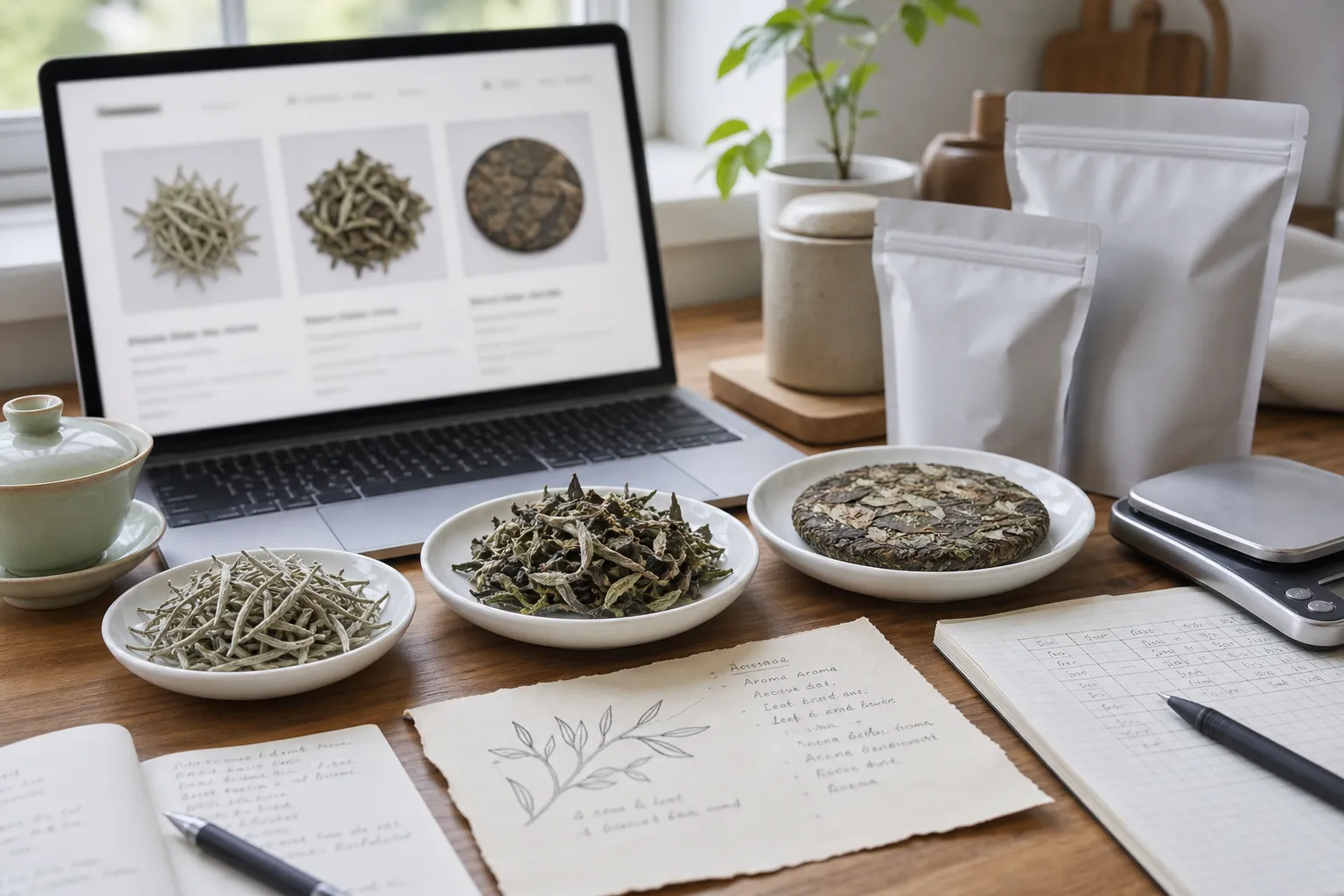
A useful online listing should make the tea easier to picture before the packet reaches your kettle. The most helpful white tea seller details are specific origin, harvest year or season, grade or leaf material, cultivar when available, processing style, clear photos, storage and packaging notes, age-claim context, testing disclosures, sample options, review patterns, and total price after shipping.
None of these details proves a seller is reliable on its own. They work best together: the label says what the tea is, the photos show whether the buds and leaves seem to match that description, the storage note explains how the tea has been kept, and the price sits beside comparable teas rather than floating on prestige language.
If a listing only says “premium Chinese white tea” and gives no harvest, leaf material, photos, or storage context, it leaves too much for the buyer to guess.
upward
Start with the broader guide
Use the broader guide first if you need the full scope before this page.
The Details That Reduce Uncertainty First
Start with seller information that connects the tea to real material: where it was grown, when it was picked, what grade or picking style it uses, and how it was processed. White tea is commonly described through plucking, withering, and drying, so starting material and handling matter. A bud-heavy Silver Needle, a White Peony leaf-and-bud set, and a coarser Shoumei cake will not brew or age in the same way.
Useful origin language is specific enough to compare. A province or region is more helpful than only a country. A garden, village, mountain area, or producer note can add context when supplied, but it should still be checked against photos, harvest notes, grade wording, and price. Broad country labels may describe a general source; they do not settle freshness, cup quality, or seller care.
Harvest information matters because buying white tea online usually means judging without smelling the dry leaf first. A harvest year, season, or batch date helps you separate a fresh-drinking tea from one being sold with age context. For young Silver Needle or White Peony, the date can shape expectations around aroma, brightness, and softness. For aged Gongmei or Shoumei, the date should sit beside storage notes and cake or loose-leaf photos, not stand alone as proof.
Grade names help only when the seller explains the leaf material. “Silver Needle” should point toward bud-focused material, while “White Peony” usually suggests bud-and-leaf sets; still, online listings vary in precision. A stronger listing shows close photos and says whether the tea is buds, leaves, mixed material, loose tea, or a compressed cake. The name opens the question. The material answers more of it.
Cultivar information is a bonus rather than a requirement. When a seller gives cultivar, region, harvest, and processing style together, the listing becomes easier to read. When cultivar appears alone as a prestige cue, treat it like any other claim: useful if it explains the leaf, less useful if it replaces the basics.
Read Origin, Harvest, Grade, and Processing Together
Seller details are most useful when they agree with each other. A young bud-heavy tea should show pale, intact buds or fine leaf material, give a harvest window, and describe a light processing style without leaning on luxury language. An aged cake should give a year, form, storage context, and photos of the cake surface and broken leaf.
Processing notes do not need to be technical. Terms such as withering, drying, sun-drying, indoor withering, or traditional processing can help you understand how the seller frames the tea. Public education sources support these as recurring white tea process terms, but wording alone cannot confirm every seller claim. Look for processing language that connects to appearance, aroma expectation, and brewing guidance.
A stronger listing gives points to inspect
A seller may describe a White Peony as spring harvest, loose leaf, with a mix of buds and open leaves, then show dry-leaf photos and recommend a gentle gaiwan approach. That gives you points to check: leaf shape, likely body, brewing behavior, and price. It is more useful than a listing that says only “rare top grade” beside one styled image.
This is where white tea origin specificity matters. “Fujian white tea, spring harvest, White Peony, loose leaf, stored sealed in a cool dry warehouse” gives more purchase context than “Chinese white tea, excellent quality.” It still does not prove the tea is exactly as described. It simply gives the buyer more to inspect before ordering.
Storage, Packaging, and Age Claims Need Plain Detail
Storage details matter because white tea is sold for different drinking moments. A fresh loose tea asks one set of questions: when was it harvested, how was it packed, and has it been protected from odor, moisture, and rough handling? An aged cake asks another: when was it harvested or pressed, what kind of storage environment is described, and do the photos show the cake and inner material rather than only a wrapper?
Good storage language is usually plain. Look for sealed packaging, bag or tin description, cake wrapping, resealable pouch information, and mention of keeping tea away from moisture and strong smells. Packaging does not need to be fancy, but it should make sense for the quantity, form, and travel time. A tiny sample packet, a full cake, and a fragile loose Silver Needle lot need different handling.
Age claims deserve extra caution. A year printed in a listing is not the same as a storage history. It can still be useful if the seller explains whether the date refers to harvest, pressing, acquisition, or storage period. For aged Gongmei or Shoumei, ask whether the listing gives wrapper photos, dry-leaf photos, liquor description, and storage context. If the page uses age mainly as a value signal, the buyer has little to check.
Buy aged white tea as a tea with specific material, date context, storage notes, and flavor expectations. If those details are missing, a sample is often the cleaner next step than a full cake.
Testing, Safety Wording, and “Clean” Claims
Some buyers ask about pesticide or heavy-metal testing, cultivation context, and packaging materials. Those are reasonable purchase questions, but the answer should stay specific. A useful testing disclosure says what was tested, who provided the result, when it applies, and whether it covers that tea, a batch, or a broader lot. A vague phrase such as “clean,” “pure,” or “toxin-free” does not answer the same question.
General consumer reporting has discussed tea contaminants and packaging-related questions, while specialty tea writing often frames pesticide concern as something that needs specific evidence rather than broad fear. That supports a cautious buyer habit: ask for disclosures when they matter to you, but do not turn a marketing phrase into a safety conclusion.
Organic wording also has limits. It may tell you something about how a product is marketed or documented, but it does not answer every question about origin, storage, packaging, or batch testing. The absence of testing language does not automatically mean the tea is poor; it only means the listing gives you less information in that area.
Keep safety language secondary to the purchase task. The practical question is not whether a listing can remove every unknown. It is whether the seller gives enough specific information for you to sample, ask a question, or pass.
Samples, Reviews, and Price Context
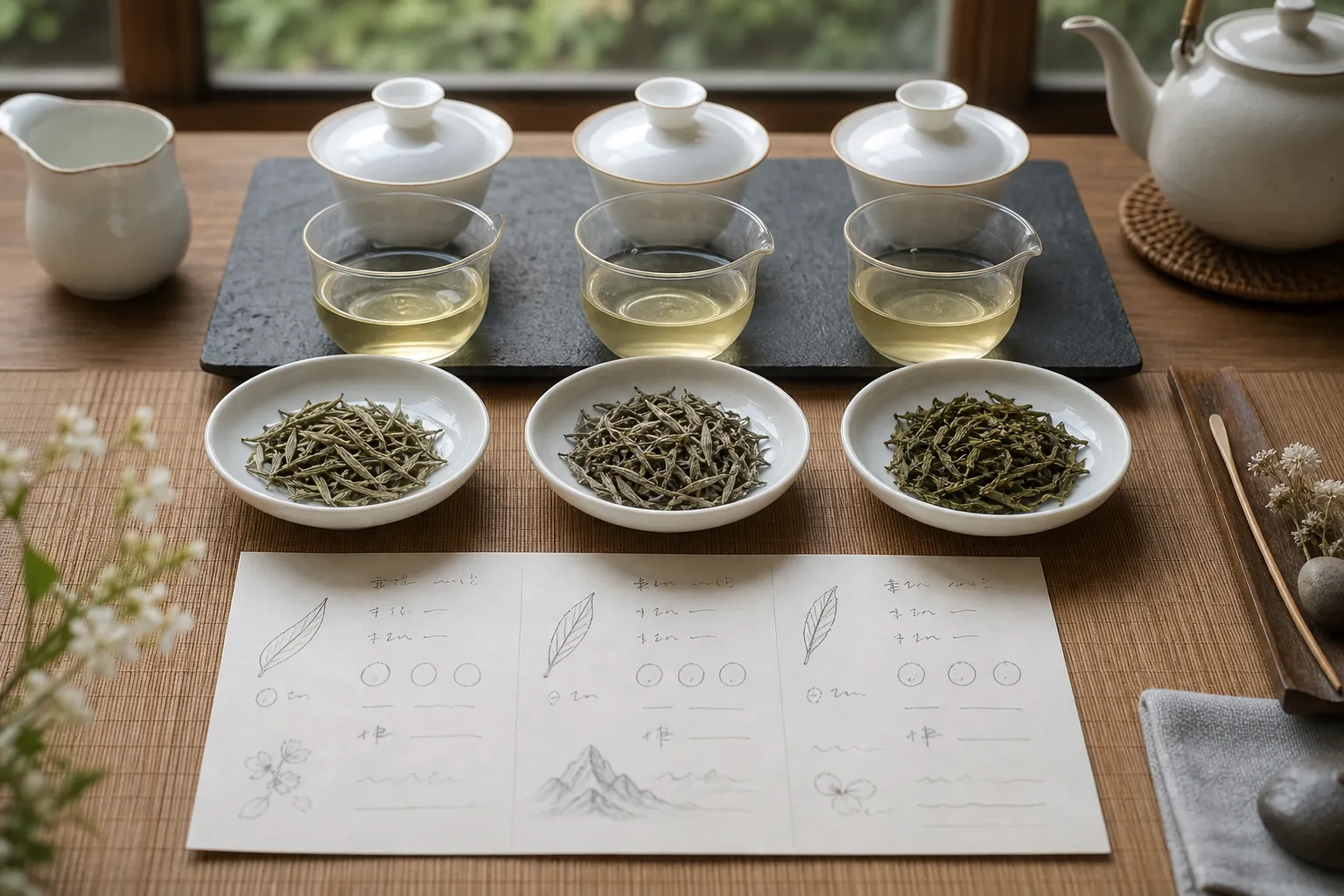
Samples are one of the most useful options when buying white tea from an online seller. A small amount lets you test dry-leaf aroma, liquor color, body, bitterness, sweetness, and aftertaste without committing to a full cake or large pouch. This is especially helpful when two listings use similar grade names but show different leaf material or price levels.
Price should be read with shipping included. A tea that looks cheaper per gram may not be cheaper after postage, taxes, or minimum-order thresholds. Compare similar forms: loose Silver Needle with loose Silver Needle, White Peony with comparable harvest and material, aged cake with aged cake. If a seller gives strong detail and sample access, a slightly higher landed price may still be easier to judge than a vague bargain.
Reviews can help, but read them for patterns rather than authority. Useful review patterns mention packaging condition, shipping consistency, photo accuracy, aroma matching the description, and customer service when questions arise. Reviews are weaker when they only repeat prestige language or make broad claims the listing itself does not support.
A single glowing comment does not confirm origin. A cluster of specific comments can still help you judge whether the seller’s descriptions, photos, and shipping practices tend to line up with what buyers receive.
Common Misunderstandings
A famous name is not enough
Silver Needle, White Peony, Gongmei, and Shoumei are useful terms, but the listing still needs leaf material, harvest information, photos, and storage context. A prestigious name without supporting detail is thin evidence.
Origin is not a shortcut
Region can matter, but broad origin language should not replace harvest season, processing notes, or sensory expectations. A more specific origin note is helpful because it gives you a better question to ask, not because it settles quality by itself.
Wellness wording can overreach
White tea can be part of everyday tea culture and personal routine, but an online product page is easier to judge through leaf appearance, harvest information, storage, packaging, testing disclosure, samples, and price context.
Photos still have limits
Photos help you check leaf size, color range, breakage, compression, and whether the listing appears to use real product images. They cannot show aroma, storage history, or cup texture. Use them beside the written details, not instead of them.
A Compact Checklist Before You Order
Before buying white tea online, check the listing in this order:
- Origin: Does it give more than a broad country label?
- Harvest: Is there a year, season, or batch date?
- Leaf material: Are grade name, buds, leaves, and form explained?
- Processing: Are withering, drying, or style notes tied to the tea?
- Photos: Do they show dry leaf, cake surface if relevant, and packaging?
- Storage: Does the seller describe sealing, storage environment, or handling?
- Age: If age is claimed, does the listing explain what the date means?
- Testing: Are any disclosures specific rather than slogan-like?
- Samples: Can you try a small amount before a larger order?
- Price: Have you compared total cost after shipping?
- Reviews: Do patterns mention packaging, accuracy, and service?
If most of these are missing, ask one clear question or buy a sample. If the seller cannot answer basic harvest, material, storage, or packaging questions, choose a listing with less mystery.
The strongest seller page does not remove every unknown. It gives enough white tea seller details for you to connect the label to real buds and leaves, the storage note to the packet, and the price to the next cup you are willing to brew.
FAQ
Is origin the most important white tea seller detail?
Origin is important, but it works best with harvest, leaf material, photos, and storage notes. A specific region gives context; it does not replace the rest of the listing.
Should I avoid a listing without testing information?
Not automatically. Testing information can add useful context when it is specific, but many listings will not include it. Treat missing testing language as one information gap, then look at the seller’s harvest notes, packaging details, sample options, and willingness to answer questions.
Are grade names enough to compare two white teas?
No. Grade names help you start the comparison, but the photos and leaf description matter more. Compare bud content, leaf size, harvest timing, loose or compressed form, storage notes, and total price.
What should I ask a seller before ordering?
Ask the question that closes the biggest gap. For a fresh tea, that may be harvest season and packaging. For an aged cake, it may be whether the date refers to harvest, pressing, or storage. For a vague listing, ask what leaf material is actually in the packet.
Sources
Sources and further reading
Reference links are limited to sources considered suitable for public citation in this page.