
Brewing repair
Can You Save Oversteeped White Tea
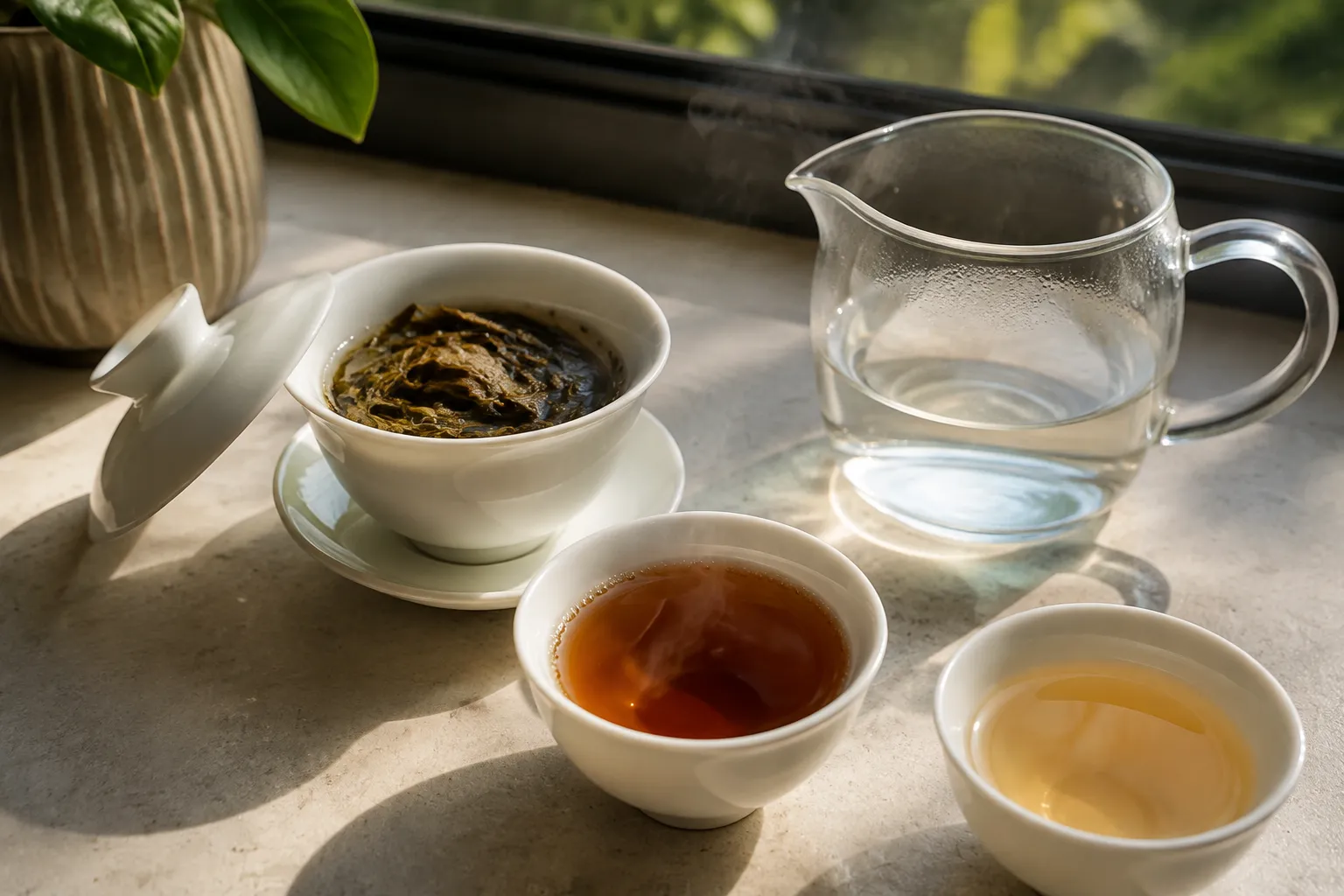
A cup that has gone too dark, sharp, or drying may still be drinkable, but it usually cannot be returned to the lighter infusion you meant to brew. The practical way to save oversteeped white tea is to name the problem first: too much strength, too much bitterness, too much astringency, or a flat loss of aroma.
Dilution, cooling, ice, or blending with a weaker infusion can soften the cup. They do not reliably bring back the original sweetness, fragrance, or rounded texture. If the liquor only tastes strong, try adjusting it. If it grips your mouth after one sip, the better choice may be to stop rescuing that cup and protect the next steep.
upward
Start with the broader guide
Use the broader guide first if you need the full scope before this page.
Start With What The Cup Is Doing
Oversteeped white tea does not fail in only one way. A long infusion of Silver Needle may become heavy and muted rather than sharply bitter. White Peony can turn woody, drying, or bruised-floral. Gongmei and Shoumei, with more mature leaves and stems, may become darker, stronger, and more astringent when pushed too far. These are tasting clues, not fixed rules for every batch.
Before changing anything, take one small sip and name the fault:
- If the cup is simply too concentrated, dilution may help.
- If it is hot and sharp, cooling may make it easier to drink.
- If it is bitter with a rough finish, the rescue window is smaller.
- If the aroma has gone flat, no adjustment will fully rebuild it.
- If there is still sweetness under the strength, it is more worth saving.
This first check matters because “overbrewed white tea” can mean several different things. A strong cup can often be lightened. A harsh cup can sometimes be made less unpleasant. A collapsed cup, where the aroma is gone and only grip remains, is usually not worth chasing.
How To Lighten Strong White Tea
The simplest strong white tea adjustment is dilution. Add a small splash of warm water, sip, then add more only if needed. The goal is not to make the tea weak; it is to lower the pressure of the cup enough that any remaining hay, melon, floral, honeyed, or woody notes can show again.
Use warm water when the tea still smells pleasant and you want to keep it as a hot cup. Use cooler water when heat seems to be emphasizing sharpness. In many brewing sessions, a liquor that feels loud at full strength becomes easier to drink once it is stretched slightly.
Do not dilute by habit. If the tea already tastes thin but bitter, adding water may only give you more thin bitterness. Dilution works best when the problem is density, not complete flavor imbalance.
A Practical Sequence
- 1. Pour the oversteeped liquor into a larger cup.
- 2. Add a small splash of water.
- 3. Sip after the temperature settles.
- 4. Stop as soon as the cup becomes easier to drink.
- 5. If it still tastes rough, choose another path or let the cup go.
Leaf grade matters here. Bud-heavy teas often lose their high aroma when pushed, so dilution may soften the body while leaving the cup quiet. Leafier grades may keep more structure after dilution, but they can also carry more drying grip. Use the sip, not the label, as the final judge.
Cooling, Ice, And The Almost-Saved Cup
If the cup is too hot, too strong, and slightly bitter, cooling it can help you decide whether it is worth keeping. A sharp liquor may seem less aggressive once it is no longer steaming. That does not mean the original infusion has been restored. It means the cup may become more drinkable.
To cool oversteeped white tea without making it watery right away, pour it into a wider cup or small pitcher and let it sit briefly. Taste it before adding anything. If it softens, drink it slowly as a warm cup. If it remains too intense, move to ice or blending.
Iced oversteeped white tea can work when the liquor still has some sweetness or fruit-like aroma. Pour it over ice and taste after the first chill. If it becomes clean enough, keep it. If it turns hollow, woody, or metallic in feeling, more ice will not repair the structure.
Ice is most useful when the cup is strong but not punishing. It is less useful when the tea is already thin and astringent. Once the mouthfeel is dry and papery, chilling may make the cup easier to swallow, but it will not make it taste like a careful first infusion from a gaiwan.
Sweetening is a kitchen choice, not a full rescue. Honey, sugar, citrus, or milk can make a flavored drink from the overbrewed base. That may be reasonable, but it should not be confused with recovering the original white tea character.
Blending With A Lighter Infusion
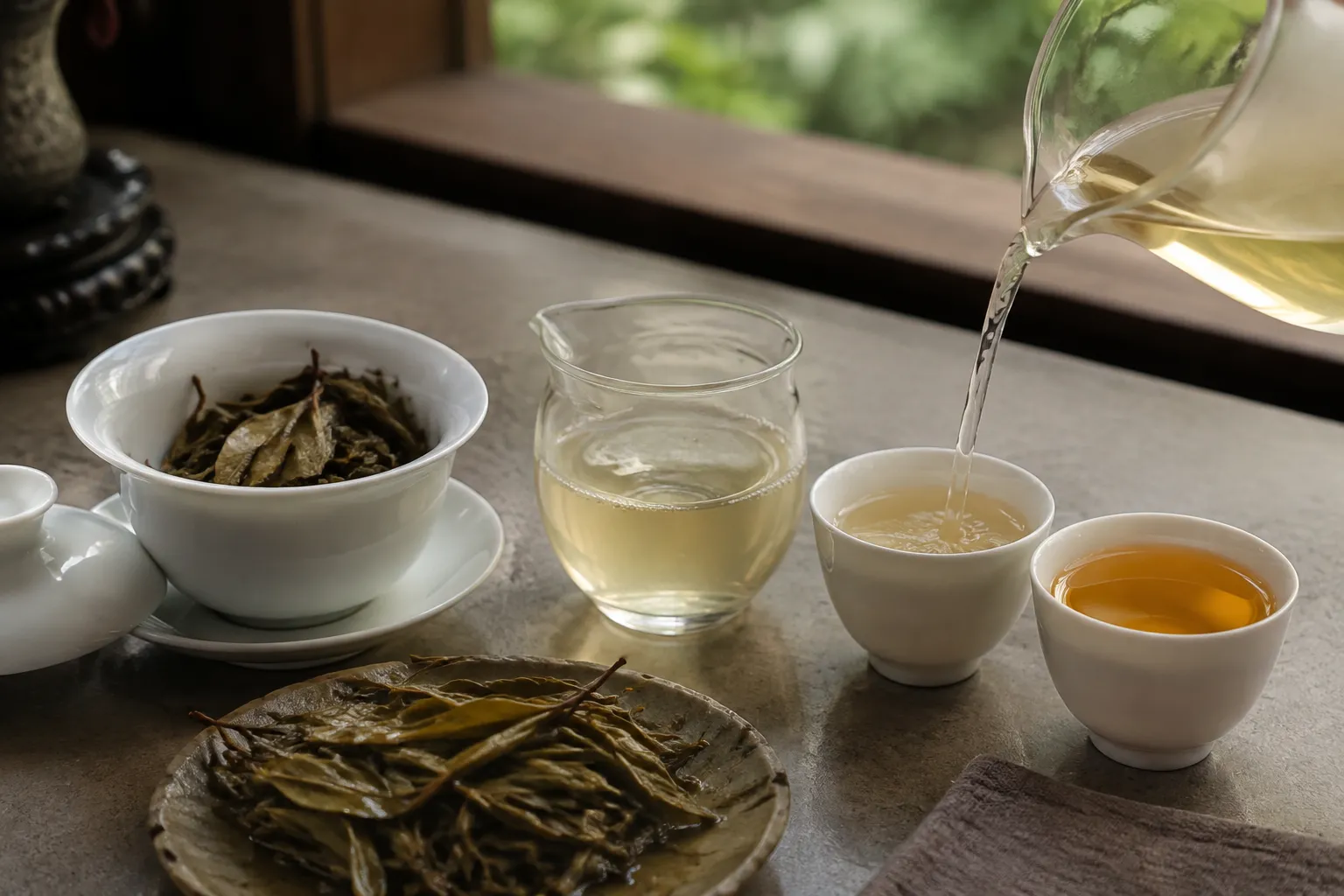
If the leaves are still available, you can blend oversteeped white tea with a lighter infusion from the same session. This is most useful when the first cup is too strong but not unpleasant. Brew a very short, pale infusion, then combine a little of it with the strong liquor. Taste as you go.
This method can spread the hard edge across a softer base, especially if the oversteeped cup still has body. It can also fail. If the first liquor is intensely bitter or too astringent, the lighter steep may simply pick up the same roughness. The second infusion may also be weak if the long steep has already pulled out most of the pleasant character.
A lighter infusion is often more promising than plain water when the strong cup is still aromatic. Water reduces strength; a fresh short steep can add some tea-shaped softness. Neither method should be expected to restore the first cup exactly.
Use this approach cautiously with expensive Silver Needle or carefully stored aged white tea. If the oversteeped liquor is unpleasant, do not keep sacrificing later infusions to repair it. Taste a small mix first. If the blend does not improve within a few sips, separate the next infusion and drink it on its own.
When Oversteeped White Tea Cannot Really Be Saved
The clearest limit is mouthfeel. If the tea grips the tongue, dries the cheeks, and leaves a long rough finish after dilution or cooling, simple adjustment will not do much. You can still drink it if you do not mind the sensation, but it is no longer a cup that has been meaningfully rescued.
Aroma is the second limit. White tea often depends on quiet fragrance: dried grass, soft florals, warm hay, light fruit, honeyed edges, or aged woody sweetness, depending on the tea. Once a long steep has flattened that aroma, water and ice may reduce strength but cannot reliably put the fragrance back.
Bitterness is the third limit. A little bitterness can sit behind sweetness and make the cup feel structured. Heavy bitterness that dominates the first sip is harder to hide. If your main problem is “white tea too bitter,” the honest answer is that you may be able to make it less sharp, not necessarily good.
This is the common misunderstanding around “fix oversteeped white tea.” Fixing can mean making the cup drinkable enough to finish. It does not mean erasing what happened in the vessel. A tea that steeped too long, sat in water that was too hot, or used too much leaf for the water volume may have crossed a sensory line that later adjustments cannot fully undo.
There is no need to force it. If the tea is unpleasant, discard the liquor and reset the next steep.
What To Change For The Next Steep
Once you know the cup was oversteeped, make one small change. Do not adjust every variable at once.
If the tea was strong but still pleasant, shorten the next infusion. If it was bitter and hot, lower the water temperature a little and pour sooner. If it was drying but not bitter, use slightly less leaf or shorten the contact time. If it was flat and heavy, the leaves may have been pushed too hard; try a quick, light steep and judge whether there is enough aroma left to continue.
For gaiwan brewing, a few seconds can matter, especially with broken leaf, small pieces, or a high leaf amount. For mug brewing, the bigger issue is often that the leaves remain in contact with the water while the cup cools. Removing the leaves earlier is a simple way to avoid the same result.
Variety changes the next decision. Silver Needle usually rewards restraint when you want fragrance and softness. White Peony can tolerate a little more range, but it can become drying if forgotten. Gongmei and Shoumei may handle stronger brewing in some sessions, yet they can still turn rough when left too long. Treat those as starting points, then let the cup decide.
If you are comparing samples, write the mistake in plain terms: “too much leaf,” “water too hot,” “first steep too long,” or “forgot leaves in mug.” That note is more useful than simply calling the tea bad. Oversteeping can make a good tea look clumsy, and it can also show that a tea does not suit your preferred brewing style. Keep those judgments separate.
Quick Rescue Choices
This table is a tasting aid, not a rule set. The real test is whether the adjusted cup becomes pleasant enough to drink without forcing it.
Small Questions Before You Pour It Out
Can oversteeped white tea be saved every time?
No. It can sometimes be made more drinkable, especially when the main issue is strength. If bitterness, astringency, and aroma loss dominate the cup, rescue methods have clear limits.
Is it better to dilute strong white tea or make it iced?
Dilute first if the cup still tastes balanced but too concentrated. Try ice if heat makes the sharpness stand out or if the cup seems close to refreshing. If both methods leave a rough finish, move on to the next steep.
Should I keep steeping the same leaves after one bad cup?
Often, yes, but adjust sharply. Pour faster, use slightly cooler water, or separate the leaves from the liquor sooner. If the next infusion still tastes harsh and empty, the session may not have much pleasant character left.
An oversteeped cup is not always a lost cup, but it asks for a modest goal. Lighten it, cool it, blend it, or let it go. Then change one control for the next infusion: less time, gentler water, fewer leaves, or a vessel that lets you pour cleanly before the tea turns rough.