
Brewing adjustment
Adjusting White Tea Taste
A pale cup can be quiet in a good way, but it can also point to something off: too little leaf, water that cooled too far, a large vessel losing heat, or tea that has been stored until its aroma feels muted. Adjusting white tea taste is not about forcing one recipe onto every Silver Needle, White Peony, Gongmei, Shoumei, or pressed cake. It is about reading the cup in front of you and changing one control at a time.
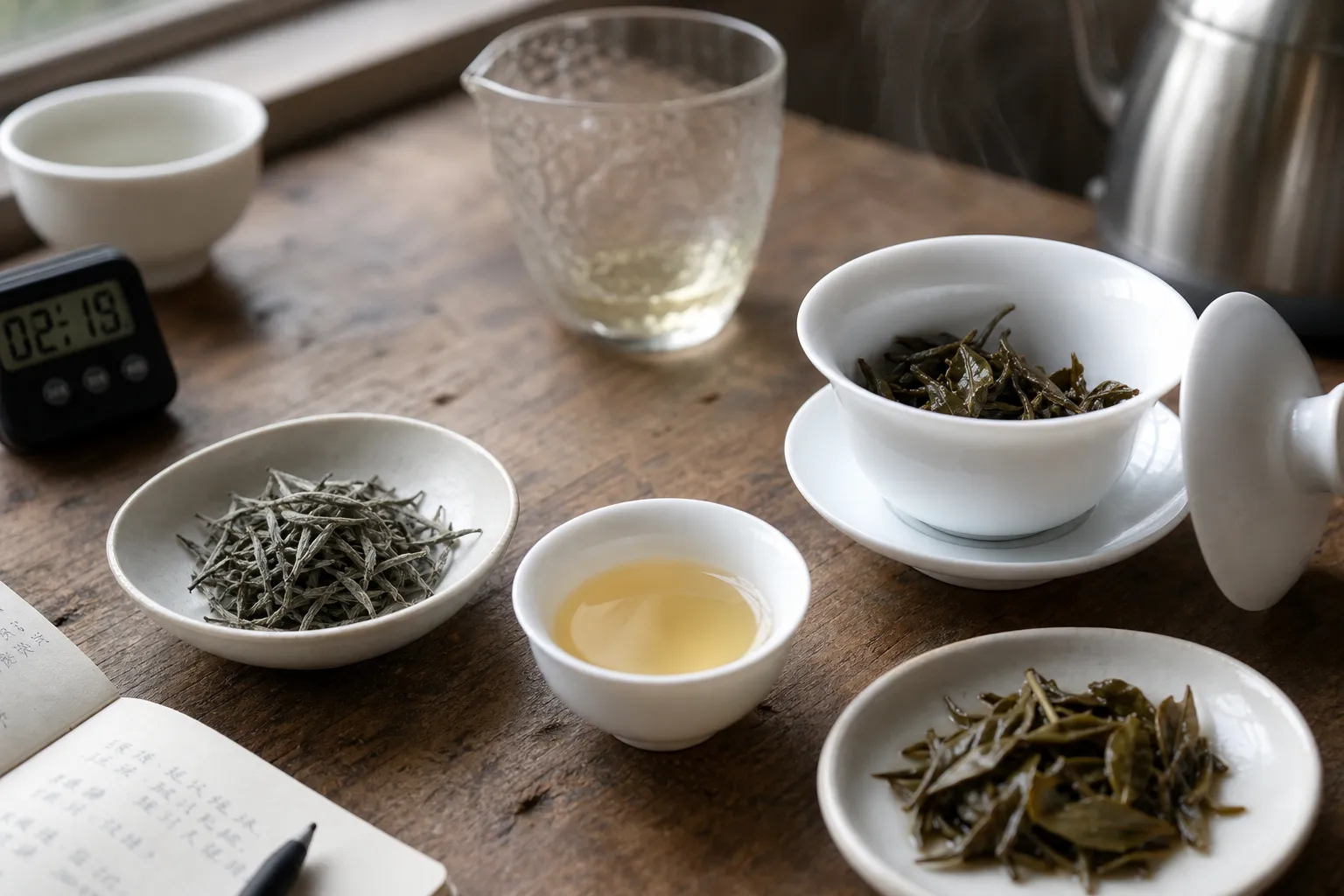
If white tea tastes weak, bitter, thin, flat, grassy, or harsh, start with the visible and sensory evidence: dry leaf aroma, wet leaf aroma, liquor color, mouthfeel, finish, and how the flavor changes across infusions. The notes below are practical brewing judgments, not source-backed rules. A cup rarely has one certain cause, so treat each adjustment as a small test rather than a final verdict.
upward
Start with the broader guide
Use the broader guide first if you need the full scope before this page.
Start With the Cup, Not the Label
Before changing the recipe, separate strength, texture, and flavor clarity. A cup can be pale but fragrant, strong but rough, sweet in aroma but thin on the tongue, or dark in color yet flat in the finish. White tea styles behave differently in water: Silver Needle buds often release slowly, White Peony brings both bud and leaf material, and Gongmei or Shoumei may show more body, especially when aged or pressed.
If the liquor looks nearly clear and the aroma barely rises, the brew may need more extraction. That could mean more leaf, warmer water, a longer steep, a smaller vessel, or a compressed piece that has opened more evenly. If the cup smells cooked, sharp, or overly vegetal, adding time may only make the problem louder. The first question is not “How do I make it stronger?” It is “Which part of the cup is missing?”
Short tasting routine
- Smell the dry leaves; dull, dusty, sour, or storage-heavy aromas can limit what brewing can recover.
- Watch the first infusion color; very pale liquor can be normal for bud-heavy tea, but it should still carry aroma.
- Taste body separately from flavor; thin tea may need more leaf even when the scent is pleasant.
- Notice the finish; bitterness, dryness, and throat roughness often point toward over-extraction, water, leaf breakage, or storage condition.
- Compare the second infusion; pressed cakes and larger leaves may need time to open.
For the next cup, change only one control. If leaf amount, water temperature, and steep time all move together, the brew may improve, but the lesson becomes harder to read.
How to Fix Weak White Tea Without Making It Bitter
Weak white tea usually feels quiet in two ways: the aroma is faint, and the liquor feels narrow or watery. The common reaction is to steep much longer. That can help some leaves, but it can also draw out dryness before sweetness or body appears.
Start with leaf amount when the cup is clean but too thin. If the tea smells pleasant and the finish is not rough, add a little more leaf in the same vessel and keep the timing close. This often builds body without pushing the brew into a harsher range. A gaiwan or small teapot makes the change easier to notice because a modest increase in leaf has a clearer effect than it would in a large mug.
Use steep time when the cup has aroma but fades too quickly. Add a small extension, not a dramatic one. If a brief infusion tastes like scented water, a slightly longer steep may bring more sweetness and structure. If extra time creates dryness before it creates body, return to the original timing and increase leaf instead.
Use warmer water when the tea stays shy even with enough leaf. Thicker leaves, older Shoumei, and compressed cake pieces may need more heat to open. Bud-heavy Silver Needle may not need the same push; too much heat can make a quiet cup feel sharper rather than fuller. The wet leaf aroma is a useful clue. If it smells alive but the liquor is thin, ratio may be the issue. If the wet leaves still smell closed, warmer water or a quick first pour may help.
When white tea tastes weak, do not blame the tea immediately. Check vessel size, actual leaf volume, and whether a pressed chunk has loosened enough for water to reach the inner leaves. Increase leaf before making the steep much longer.
What to Change First When White Tea Tastes Bitter
Bitter white tea usually asks for restraint before strength. Shorten the steep first if bitterness arrives with a heavy or dark liquor. Lower the water temperature if the bitter edge appears quickly, especially in a small vessel with fine broken pieces or tender buds. Reduce leaf only if the cup feels crowded, sharp, and intense from the first sip.
Bitterness and astringency are related but not identical. Bitterness sits as a taste, often toward the back of the tongue. Astringency feels drying or gripping along the cheeks, gums, or tongue. They can appear together, but the adjustment may differ. A bitter cup may need less heat or less time. A dry cup may need fewer leaves in the same vessel, shorter contact, or water that leaves a cleaner finish.
Diluting a finished cup can make it easier to drink, and it is a reasonable rescue if you do not want to waste the infusion. It does not show which variable caused the roughness. For diagnosis, make the next infusion shorter and taste again. If the harsh edge drops while aroma remains, time was probably the first pressure point. If the cup stays rough even with brief contact, look at water, broken leaf, storage smell, or a vessel holding too much heat.
Pressed tea can mislead the brewer. The outside of a cake piece may release quickly while the center stays tight. Later, the inner leaves open and the same timing suddenly becomes too strong. If the first cup is mild and the third turns bitter, the problem may be infusion order rather than the tea itself. Shorten the middle steeps once the chunk loosens.
When white tea tastes bitter, change time first. Then adjust heat, ratio, and vessel size only if the roughness continues.
Sweetness, Body, and Liquor Color Are Different Signals
Many readers ask how to make white tea taste sweeter when brewing. The practical answer is not simply “use more tea.” More leaf can increase body, but it can also increase bitterness if the timing and heat stay aggressive. Sweetness is often easier to notice when the cup has enough concentration without too much dryness.
Liquor color can help, but it is not a complete strength meter. A pale yellow or light gold cup may still have fragrance and a soft finish. A deeper amber infusion from aged or larger-leaf material may look strong but taste flat if the aroma is muted. Read color beside scent and texture: look at the liquid, smell the cup, then taste the finish.
If the cup is sweet in aroma but thin on the tongue, use more leaf or a smaller vessel. If it has body but little sweetness, shorten the steep and see whether the finish becomes cleaner. If it smells grassy and sharp, cooler water or a shorter first infusion may make sweetness easier to notice. If the leaves smell stale before brewing, technique may soften the problem rather than fully remove it.
Leaf style also shapes expectations. Silver Needle often asks the drinker to notice fragrance, softness, and a gentle finish. White Peony may show more leaf-driven body and a wider aroma range. Gongmei and Shoumei can feel fuller, but storage condition matters, especially with older or compressed tea. These are starting points for reading the cup, not guarantees.
For the next session, decide whether you are chasing sweetness, body, or color. Each target may need a different adjustment.
When White Tea Tastes Grassy, Flat, or Harsh
Grassy white tea can come from several directions. It may be the fresh-green side of a young tea, a sign that the water is too hot for the leaf style, or the result of steeping too long in a heat-retentive pot. The useful distinction is whether the green note feels clean and lively or sharp and tiring.
If the green note is pleasant but too dominant, shorten the first infusion and build gradually. If it tastes raw, biting, or stewed, lower the water temperature and avoid trapping too much heat. A thick-walled teapot holds heat differently from a thin gaiwan; vessel size and heat retention can turn the same leaf into a softer or more forceful cup. Very small vessels also magnify small timing mistakes.
Flat tea is a different problem. A flat cup may have color without lift, body without fragrance, or a finish that disappears quickly. Water quality can be part of this, especially when the same tea tastes dull across several attempts. Water that feels heavy, chalky, metallic, or sharp on its own may hide aroma or exaggerate dryness. Without making a universal rule, compare with another drinking water that tastes clean before brewing.
Storage condition can also flatten the brew. If dry leaves smell like cardboard, damp shelves, kitchen odors, or closed packaging rather than tea, the cup may remain muted after careful brewing. Pressed cakes can need time to loosen in the vessel, but muted flavor across several infusions may point beyond technique. Check appearance, aroma, storage context, and seller information together rather than relying on an age or origin phrase alone.
Harsh tea is often confusing because it can happen even with gentle brewing. If the liquor is light but the finish scratches, the issue may not be strength. Look for broken particles, too much dust in the pot, stale aroma, or water that leaves a hard edge. Try a quick rinse-like pour, slightly cooler water, and shorter early steeps. If roughness remains in every infusion, brewing may not be the main cause.
For the next cup, match the adjustment to the fault: grassy asks for gentler heat or timing, flat asks for water and storage checks, and harsh asks you to look beyond color.
Adjusting White Tea Cake When the Flavor Tastes Muted
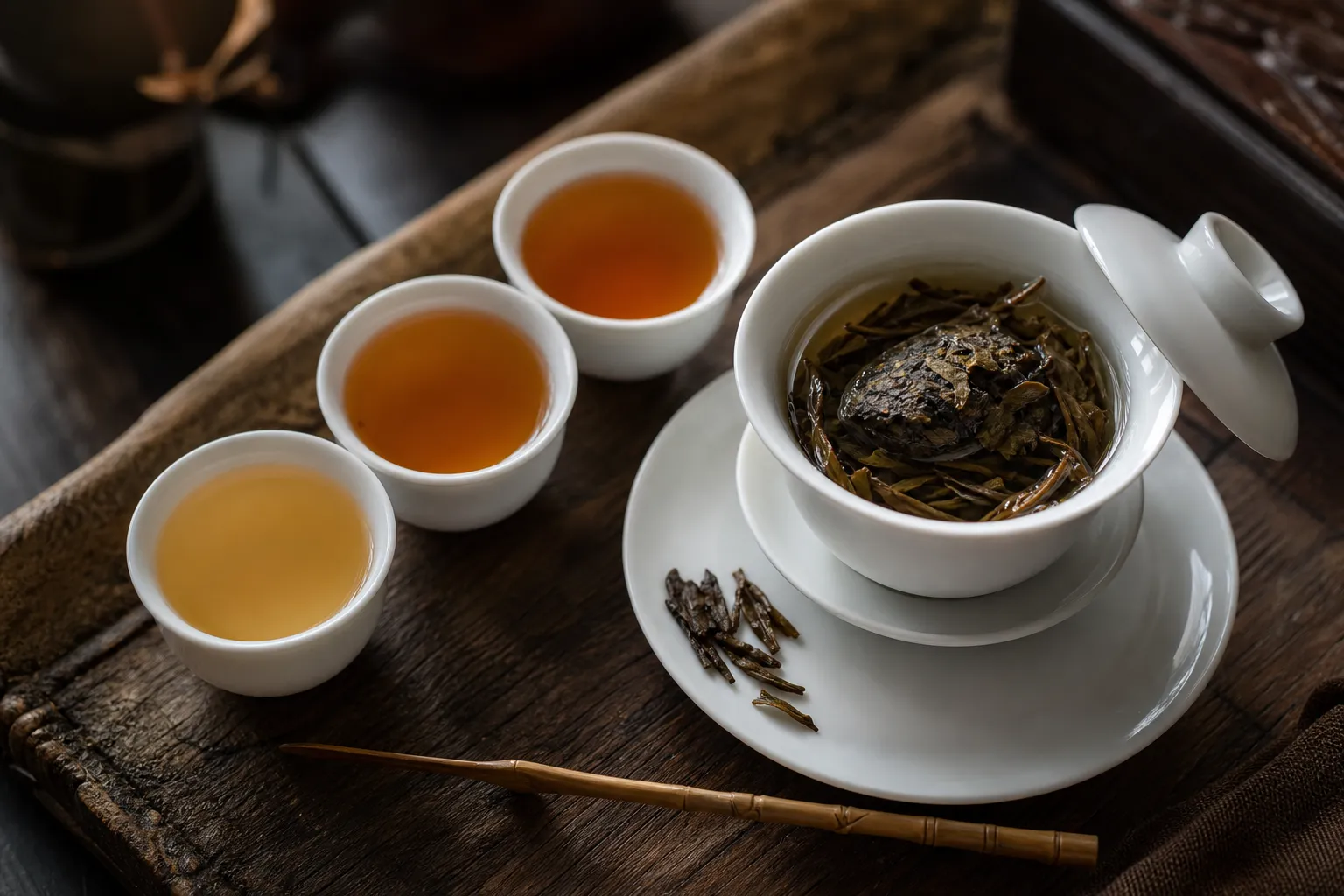
A white tea cake can brew unevenly when the piece stays compact. The outer layers contact water first, while the inner leaves release later. This can make the first infusion taste thin, the second taste better, and the third suddenly become dense or dry. Before judging the cake, observe whether the chunk has opened.
Use a smaller piece with more exposed layers instead of one tight block when possible. If the cake is heavily compressed, a brief first infusion can wet the surface without forcing a long extraction. Let the wet piece rest for a short moment between pours so water can move inward. This is not a special trick; it simply narrows the gap between outside and inside extraction.
Muted cake flavor can also be tied to storage. Aged white tea is often described with words such as mellow, sweet, or smooth, but those words are not proof of how one cake will brew. A cake may be old, young, well stored, poorly stored, or simply quiet in the vessel you are using. Smell the dry cake, the warmed leaf, and the wet leaf. A clean, deep aroma may suggest more flavor is available. A dull or off smell sets a limit on what brewing can do.
If the cake tastes quiet but clean, try warmer water, a slightly longer second infusion, or a little more leaf. If it tastes muted and rough at the same time, do not keep pushing longer. Try lower heat first, then decide whether the tea has enough aroma to justify more extraction.
For the next session with compressed tea, focus on opening the leaf evenly before deciding that the cake lacks flavor.
How to Adjust Later Infusions When White Tea Starts Fading
Later infusions do not fade in a straight line. Some leaves open slowly, peak after the first cup, then soften. Others give their best aroma early and lose structure quickly. The right adjustment depends on what is fading: fragrance, sweetness, body, or finish.
If aroma fades but body remains, lengthen the next infusion only slightly. Too much extra time can create a heavy cup without restoring fragrance. If body fades but the scent is still pleasant, a longer steep may be useful. If both aroma and body are fading, warmer water can help draw out what remains, especially from larger leaves or a cake that has fully opened.
When the cup becomes dry late in the session, the leaf may be giving more structure than sweetness. Shorter steeps can make the remaining cups cleaner, even if they are lighter. A fading cup does not always need to be forced stronger. Sometimes the better decision is to stop while the finish is still pleasant.
Infusion order matters most when the leaf changes shape in the vessel. White Peony leaves may unfurl visibly; Shoumei cake pieces may separate over several pours. Watch the wet leaves. If they are still partly folded, there may be more to draw out. If they are fully open, pale, and quiet in aroma, longer timing may only add dryness.
For the next later infusion, ask one question: is there still aroma worth drawing out? If yes, adjust time or heat carefully. If no, let the session end cleanly.
A Simple Decision Frame for the Next Brew
Weak but clean
May suggest too little concentration. Try adding leaf or using a smaller vessel.
Thin with nice aroma
May suggest not enough body. Increase leaf before extending time.
Bitter and dark
May suggest too much extraction. Shorten the steep.
Bitter even when pale
May suggest heat, leaf breakage, water, or storage issue. Lower temperature and check the leaves.
Dry or astringent
May suggest long contact, a crowded vessel, sharp water, or rough leaf material. Shorten time or reduce leaf.
Grassy and sharp
May suggest heat or early steep pressure is too high. Use cooler water or a shorter first pour.
Flat with color
May suggest water or storage is muting aroma. Compare water and smell the dry leaf.
Harsh but gently brewed
May suggest an issue outside basic timing. Check dust, broken leaves, water, and storage.
Muted cake
May suggest compressed leaves are not open yet. Wet the piece evenly and adjust later steeps.
Later infusions fading
May suggest leaves are nearly spent or need a careful push. Increase time gradually, then stop when roughness rises.
This frame is not a verdict. It is a way to avoid changing everything at once. Weak and thin can overlap, but they are not always the same problem. Bitter and harsh can feel similar, but one may respond to shorter timing while the other points toward water, broken leaf, or storage condition.
Common Misreads When Adjusting White Tea Taste
One common misread is assuming pale liquor means failure. Some teas brew light and still carry aroma, sweetness, and a clean finish. If the cup smells clear and feels complete, color alone does not need correction.
Another is treating more leaf and longer time as the same move. More leaf usually changes concentration and body. Longer time changes extraction pressure. Both can make a cup stronger, but they do not create the same texture or finish. If you want strength without roughness, leaf amount is often the cleaner first move.
A third misread comes from market language. Words around origin, age, grade, sweetness, or mellow texture may help describe what sellers want readers to notice, but they are not proof of how a specific cup will brew. Use those terms as context, then return to the leaves, aroma, liquor color, storage condition, and the way the tea behaves across infusions.
The most useful habit is a short brewing note: leaf amount, vessel, water temperature, time, liquor color, aroma, and what changed in the next infusion. After two or three sessions, patterns become easier to see. The next cup does not need a new theory; it needs one deliberate adjustment.