
Brewing correction
How to Fix Weak White Tea Without Making It Bitter
A thin cup usually needs one small correction, not a hard rescue. To fix weak white tea, start by changing only one variable: use a little more leaf, reduce the water volume, warm the vessel, extend the next steep slightly, or raise the water temperature modestly. Do not do all of them at once.
The aim is a fuller cup that still feels clean. White tea can move from watery to sweet and rounded, but when extraction is pushed too far, the same leaves can turn drying, harsh, or flat. Read aroma, body, sweetness, and finish together; liquor color alone is not enough.
upward
Read the full overview first
Use the broader guide first if you need the full scope before this page.
Start with leaf-to-water balance
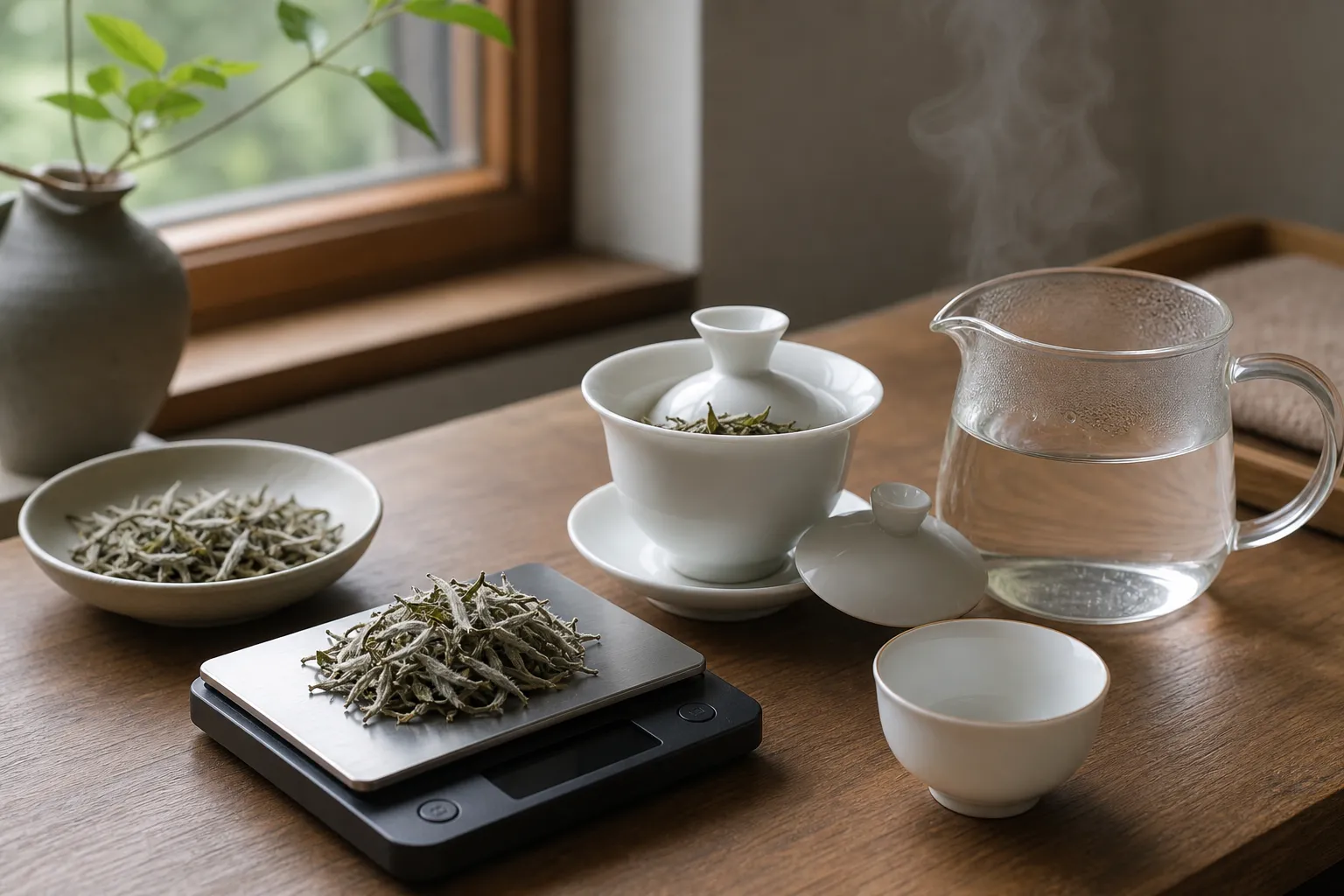
The most common reason white tea tastes weak is simple dilution. A large mug, roomy teapot, or tall glass can make a normal spoonful of buds and leaves seem faint, especially with lighter styles such as Silver Needle or fresh White Peony. The liquor may look pale, the fragrance may fade quickly, and the finish may feel short even when the tea itself is not the main problem.
Before changing time or temperature, adjust the ratio. Add a small pinch more leaf for the same vessel, or keep the leaf amount steady and use less water. This often builds body more cleanly than forcing the same thin setup through a very long steep.
A gaiwan makes this easier to control. The leaves sit close to the water, and each infusion can be corrected quickly. In a large teapot, the same tea may need more leaf or a slightly longer first steep to avoid a thin white tea brew. For the next cup, change the ratio before blaming the leaves.
Nudge time and temperature, not both hard
White tea steep time matters, but it should not become punishment for a weak cup. If the first infusion tastes watery, lengthen the next steep in small steps. A modest extension can bring more aroma, texture, and sweetness. A much longer steep may bring strength, but it can also bring bitterness or a drying edge that covers quieter flavors.
Water temperature works the same way. If the water is very cool, some teas can taste muted, especially broader leaf styles such as Gongmei or Shoumei. Raising the temperature a little may help the cup open. Going hotter and longer at the same time is where many brews lose balance; the cup becomes stronger, but not necessarily better.
Adjustment order
Check ratio first, nudge time second, nudge temperature third. If the tea becomes fuller and still smooth, keep that change. If the fragrance improves but the finish turns scratchy, back off the last adjustment. A stronger white tea brew should still feel clean on the tongue.
Check the vessel before you blame the tea
Vessel size can quietly decide whether a cup feels rounded or thin. A small gaiwan, compact teapot, and wide mug hold heat differently. They also change how much room the leaves have to open and how diluted the infusion becomes. If the same tea tastes weak in a large mug but clearer in a smaller vessel, the setup is part of the answer.
Pre-warming helps when the tea already leans soft or the room is cool. A cold teapot pulls heat away from the water, so the first steep may taste flatter than expected. Warm the vessel, pour out the warming water, then brew as usual.
Pouring rhythm also matters. If water moves unevenly through the leaf bed, one part may extract more than another. Keep the pour calm and consistent. For the next session, use the same leaf amount in a smaller or warmed vessel before making stronger changes.
Read the cup beyond color
A pale liquor does not always mean weak white tea. Some infusions are light in shade but still carry fragrance, sweetness, and a long finish. Others look golden enough yet taste hollow. Color is a clue, not a verdict.
Taste in layers. First smell the warmed wet leaves; if the aroma is lively, the tea may need a better ratio or slightly more time rather than a complete reset. Then notice texture. A thin brew feels watery and disappears quickly. A fuller one has more presence in the middle of the sip, even if it remains gentle.
The finish gives the clearest warning. Sweet hay, floral notes, dried fruit, or a mild woody tone may linger depending on style, age, and storage condition. If the cup becomes stronger but leaves the mouth tight, chalky, or rough, the correction has gone too far. Reduce time or temperature before adding more leaf.
Resteep weak white tea before discarding it
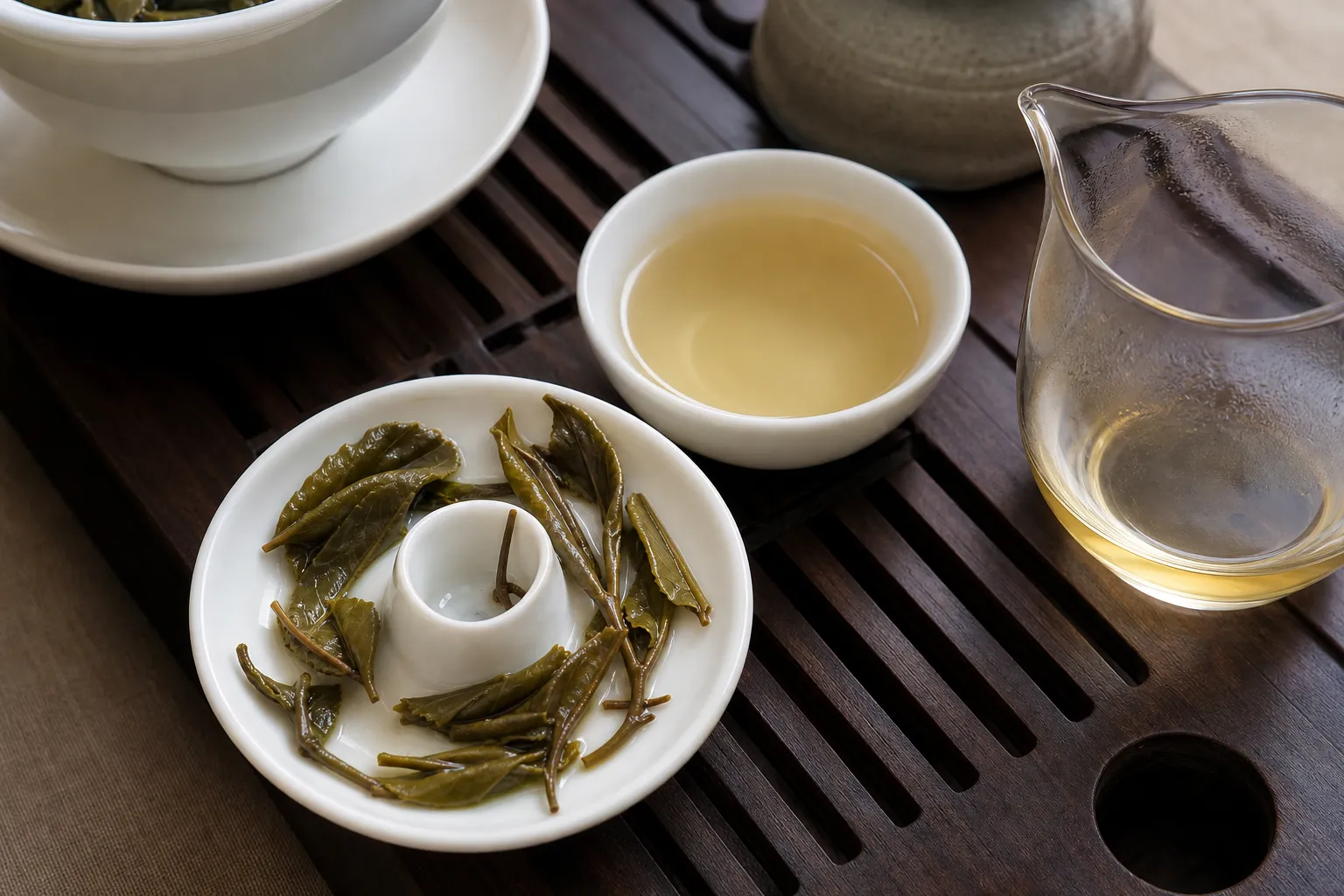
Resteeping weak white tea can show whether the first infusion was simply under-extracted. Some leaves open slowly, especially larger leaf sets or compressed pieces from a cake. The first pour may seem quiet, while the second or third becomes more aromatic after the leaf softens.
If the first cup is thin but not bitter, do not start over immediately. Try a slightly longer second infusion, keep the heat steady, and watch how the wet leaves expand. If the next steep gains body and aroma, the tea likely needed more opening time.
Compressed white tea needs particular patience. A tight piece may not release evenly at first. Breaking it into smaller chunks can help, but avoid crushing it into dust, which can make the cup rough. If loose tea stays empty after careful changes to ratio, time, temperature, and vessel, then look at water quality, freshness, or storage.
Consider water, freshness, and expectation
Water quality can make a quiet tea seem dull. Water that tastes flat on its own may leave the infusion hollow. Water with a hard mineral edge can make a gentle cup feel coarse or muted. Without turning the session into a technical test, compare with another drinking water you already like. If the same leaves suddenly smell clearer and feel rounder, water was part of the problem.
Stale leaves are another possibility. Dry leaf that smells faint, dusty, musty, or tired may not produce a lively cup no matter how carefully it is brewed. Storage condition matters: air, moisture, strong odors, heat, and light can weaken aroma. A quiet tea is not automatically stale, but weak fragrance before brewing is worth noting.
Expectation can also distort the diagnosis. White tea is not meant to taste like roasted oolong, brisk black tea, or a heavily flavored blend. Silver Needle may feel light but still carry clear aroma and a soft finish. White Peony often gives more leaf fragrance and body. Gongmei and Shoumei can feel broader, especially when aged or compressed, but they still need sensible brewing. If the cup is clean, fragrant, and lingering, it may not be weak; it may simply be a quieter style.
A controlled rescue sequence for the next cup
Use a short correction sequence instead of guessing. Keep the same tea and change only one detail at a time.
- 1. Smell the dry leaf and warmed wet leaf. If there is almost no aroma, note possible age, storage, or freshness issues.
- 2. Use a slightly smaller vessel or less water if the cup tasted watery.
- 3. Add a little more leaf only if the first ratio looked sparse for the vessel.
- 4. Extend the next steep modestly if aroma is present but body is thin.
- 5. Raise water temperature a little only if the tea still feels muted.
- 6. Stop pushing when dryness, harshness, or bitterness starts to appear.
This keeps the cup readable. If you change leaf amount, water temperature, steep time, and vessel size all at once, you may make white tea stronger but lose track of what helped. A controlled change gives you a repeatable next session.
What not to do when white tea tastes weak
Do not boil, oversteep, and overleaf all at once. That can turn a weak cup without bitterness into one that is stronger but less pleasant. The problem is not only bitterness; over-extraction can flatten aroma, shorten sweetness, and make the finish rough.
Do not judge the tea only by the first infusion. Some leaves need time to unfold. Do not judge only by liquor color either; a pale cup can still have fragrance and texture. Also avoid assuming that a weak cup proves poor quality. It may point to the leaf, but it may also point to too much water, a cold vessel, a short steep, very cool water, tired storage, or a style that naturally speaks softly.
The better question is not how to make the tea as strong as possible. It is which small adjustment gives more aroma and body while keeping the finish clean. For the next cup, start with leaf-to-water balance, then tune time and temperature only as much as the leaves can carry.