
Leaf judgment
How Origin and Processing Work Together in White Tea
A white tea label gives you two kinds of clues: where the leaf is said to come from, and how it was handled after picking. The cup is where those clues have to agree. White tea origin and processing work together through leaf grade, picking style, withering and drying choices, storage condition, aroma, liquor color, body, sweetness, and the way the infusion changes across steeps.
Neither origin nor processing proves quality on its own. A famous place name can still sit on a flat tea. A simple processing note can still belong to a clean, well-made daily drinker. The useful question is not “Which origin is best?” but: do the dry leaves, brewed liquor, aroma, storage clues, and seller details make sense together?
upward
Read the full overview first
Use the broader guide first if you need the full scope before this page.
Start With What the Leaf Shows
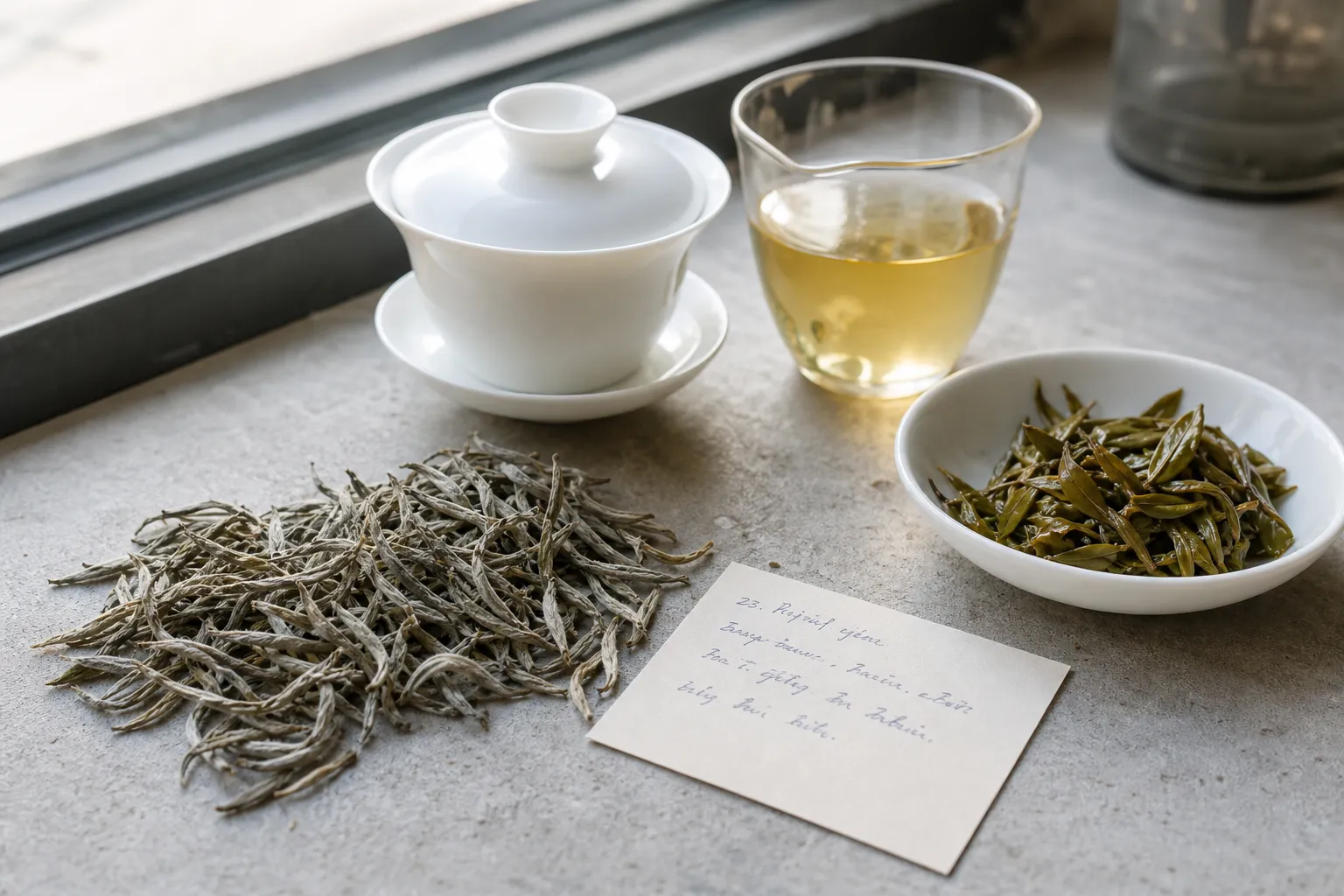
Before leaning on a place name, look at the material. A bud-heavy Silver Needle will not behave like a leaf-and-bud White Peony, and both can differ from broader-leaf Gongmei or Shoumei. That picking style changes how origin and processing cues appear in the cup.
Fine buds may look pale, downy, and compact. Larger leaves may show more color variation, stems, broken edges, or compression marks if the tea has been pressed. These details do not confirm origin, but they help you judge whether the description is plausible. If a tea is described as carefully handled while the leaves look unusually crushed, dusty, flat, scorched, or uneven in ways not explained by pressing or transport, slow down before trusting the label language.
Processing matters because white tea is often shaped by withering, drying, sorting, and later storage rather than heavy rolling or roasting. Without strong documentation, it is better not to make rigid claims about exact regional methods. Still, the leaf surface can suggest whether the material seems lightly handled, more oxidized, tightly dried, unevenly dried, or affected by storage.
First check
The next step is simple: compare the label to the leaf, not the other way around.
How Origin Can Help Without Deciding Everything
Origin can be useful because place is more than a name. It may point toward growing conditions, local tea-making habits, cultivar history, harvest expectations, and market vocabulary. In that sense, white tea terroir can guide attention. It should not be treated as flavor certainty.
The problem starts when origin language becomes too heavy. A famous region, old-tree phrase, or romantic mountain description can make a tea sound more settled than it is. Those phrases may reflect real traditions in some contexts, but without clear support they remain market language until the tea gives more evidence.
Use origin as a starting clue by asking:
- Does the seller explain the leaf material in plain terms, such as bud-only, bud-and-leaf, or mature leaf?
- Does the processing description match leaf color, shape, dryness, and aroma?
- Does the brewed tea behave in a way that fits the stated grade, storage, and handling?
This keeps origin in the right place. It can guide attention, but it should not override leaf appearance or infusion behavior. A modestly described tea with coherent leaves and clean aroma may teach you more than a dramatic origin claim with few details.
For the next purchase, treat origin as a lead to investigate, not as the conclusion.
How Processing Shows Up in the Cup
Processing style is often easier to observe than origin because it can leave marks in the leaves and liquor. A tea that looks greener, paler, darker, redder, browner, more broken, or more tightly dried may brew differently. These signs need caution, but they give the drinker something tangible to work with.
Aroma
Fresh hay, dried flowers, fruit peel, honeyed warmth, woody notes, or storage depth may appear, but no single note confirms a region.
Body
Some infusions feel light and clean, while others feel rounder or heavier, depending on grade, handling, storage, brewing, and age.
Sweetness cues
Sweetness may show as a soft finish, gentle aftertaste, or rounded mid-palate rather than an obvious sugar-like flavor.
Oxidation signs
Warmer liquor color, reddish leaf edges, deeper aroma, or darker brewed leaves may suggest more transformation, but storage and handling also matter.
Infusion behavior
Some leaves open slowly over several steeps, while others release quickly and fade sooner.
These observations keep white tea tasting judgment close to the gaiwan or cup. If a tea tastes thin, the origin is not the only possible reason. Leaf amount, water temperature, vessel, steep time, storage condition, and processing style may all be involved. A bud-heavy tea can need patient brewing; a broader-leaf tea may need a different ratio or timing to show body.
Processing also interacts with age and storage. Pressed cakes, loose tea, dry storage, humid storage, and packaging condition can all influence aroma and texture. Without reliable documentation, do not use age claims as a shortcut. Smell the dry tea, warm or rinse the leaves if that is part of your brewing habit, and notice whether the liquor is clean, stale, sharp, musty, flat, or lively.
Before judging
Before judging the label, adjust brewing once. Change leaf amount, water temperature, or steep time, then taste again.
Where Origin and Processing Cues Disagree
The most useful moments often come when the clues do not line up neatly. A tea may have an attractive origin note but weak aroma. It may have beautiful leaves but a flat liquor. It may use careful processing language while the brewed leaves show uneven color, harsh dryness, or storage smells that dominate the cup.
A mismatch does not always mean something is wrong. Shipping, storage, compression, age, harvest standard, and brewing method can all change the result. The point is not to accuse the label; it is to avoid letting one cue silence the others.
Common disagreements include:
- The origin sounds specific, but the seller gives little detail about picking grade, harvest season, or storage.
- The processing description sounds refined, but the leaves look unusually dusty, scorched, or uneven without explanation.
- The dry aroma seems pleasant, but the infusion turns thin, rough, or dull after a short first steep.
- The tea is marketed with aging language, but storage condition is unclear.
- The cup has sweetness and body, but the label gives almost no origin or processing context.
That last case matters. A tea can be enjoyable even when the story is incomplete. For a daily drinker, sensory coherence may be enough. For a more expensive purchase, missing information matters more because price often rises with origin, age, grade, and processing claims.
Good white tea sourcing cues stay practical: clear photos, harvest and grade information, storage notes, honest limits, and a description that does not ask one famous word to carry the whole sale. If the seller separates what is known from what is assumed, that transparency is useful.
When cues disagree, buy a smaller amount first or brew a sample beside a known tea.
A Compact Way to Read a White Tea Label
A good label does not need to be poetic. It needs to help you connect place, leaf, handling, and cup behavior without forcing certainty. Read a white tea description in this order:
- Leaf material: Is it bud-only, bud-and-leaf, or broader mature leaf?
- Form: Is it loose, pressed, broken, tightly compressed, or visibly aged in appearance?
- Processing language: Does it mention withering, drying, sorting, or storage in a way that matches what you see?
- Origin note: Is the place name supported by practical details, or is it doing most of the persuasive work?
- Brewing response: Does the tea open cleanly across several infusions, or does it fade, roughen, or flatten quickly?
- Storage context: Does the aroma suggest clean keeping, or does storage character dominate?
This order keeps the label useful without making it the judge. It also protects beginners from two common mistakes: dismissing a tea because it does not match a regional flavor expectation, or trusting a tea because the origin sounds prestigious.
For Silver Needle, compare bud shape, aroma clarity, and how slowly the liquor builds. For White Peony, look at the balance between bud and leaf, fragrance, body, and finish. For Gongmei and Shoumei, broader leaves, deeper color, cake form, and storage character may become more visible. These are tasting prompts, not rankings.
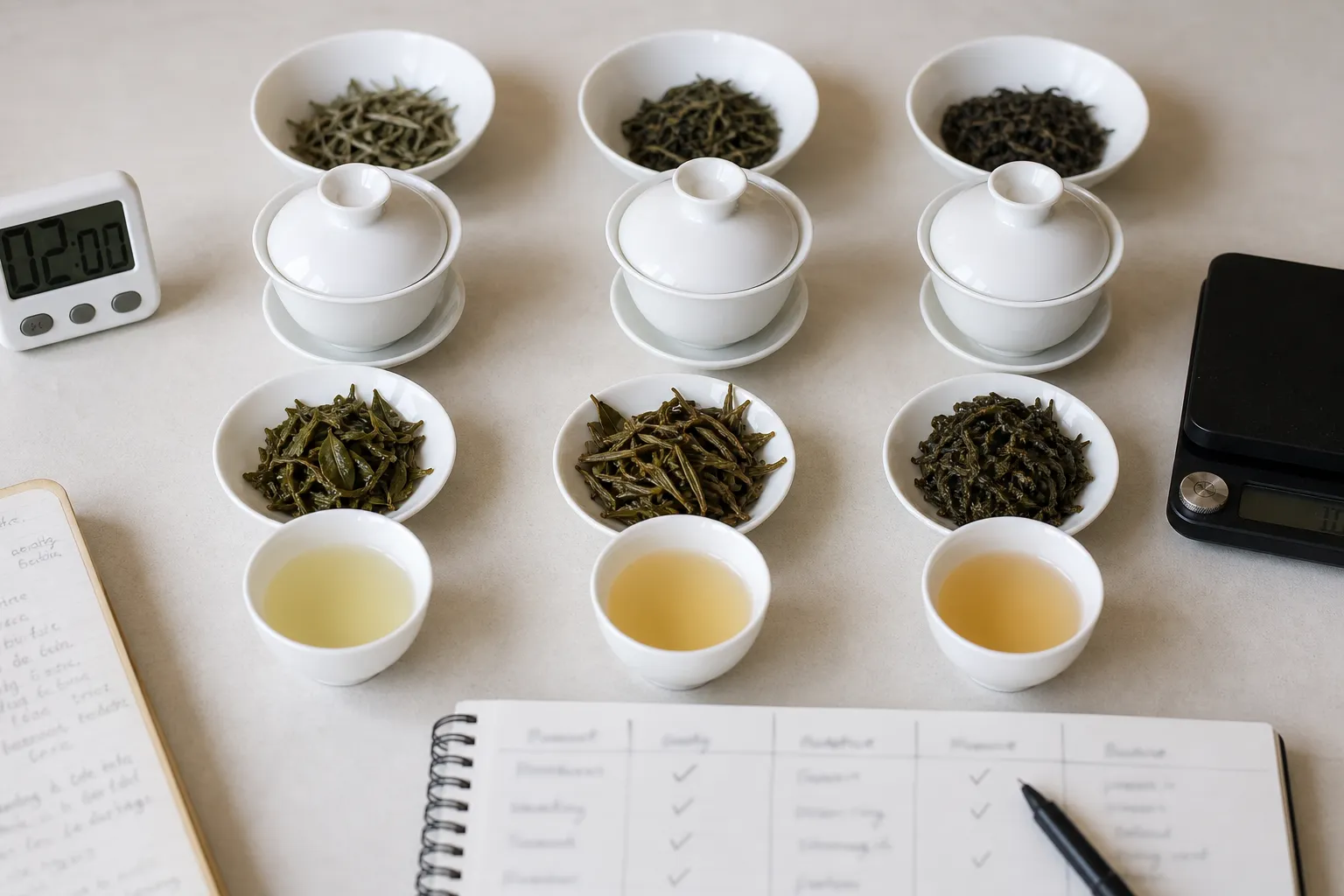
The better habit is to build a small comparison set. Brew two teas with the same leaf weight, vessel, water temperature, and timing. Then change only one variable. Origin and processing cues become easier to read when the brewing frame is not moving underneath them.
What This Question Cannot Prove
This page has a narrow evidence boundary. The available material for this article does not provide usable public references, production documents, credible tea education sources, scientific studies, or curated firsthand tasting reports. That means precise claims about regional flavor profiles, cultivar behavior, terroir effects, processing rules, aging outcomes, authenticity, or health-outcome claims should not be presented as settled facts here.
The useful answer is still practical. White tea origin and processing work together, but they are only part of the judgment. Leaf appearance, aroma and body, sweetness cues, oxidation signs, infusion behavior, storage condition, and seller clarity all need to be read together.
Next cup decision
If you are choosing your next tea, do not ask the origin label to do too much. Start with the dry leaves, brew with a steady method, note the liquor color and texture, then decide whether the processing description and origin note still feel coherent after the cup has spoken.