
Beginner judgment check
Common Gongfu White Tea Misconceptions Beginners Overread
A single gaiwan session can give useful clues, but it should not carry the whole judgment. The main gongfu white tea misconceptions beginners overread are straightforward: a short steep does not prove skill, a thin cup does not prove poor leaves, a strong aroma does not prove age or origin, and seller language does not prove quality by itself.
Gongfu brewing makes small changes easier to notice because leaf, water, vessel, and time sit close together. It does not turn one infusion into a final verdict. Use the session as a comparison tool: leaf amount, water temperature, steep length, vessel heat, aroma, liquor color, wet leaf texture, storage smell, and seller wording should be read together. One clue may raise a good question; it should not settle the answer.
upward
Read the full overview first
Use the broader guide first if you need the full scope before this page.
What One Cup Can Do
It can show how a tea behaves under one set of conditions, especially when several infusions are compared carefully.
What One Cup Cannot Do
It cannot prove harvest, storage, age, origin, seller accuracy, or quality by itself.
The Gaiwan Shows Changes, Not Final Truth
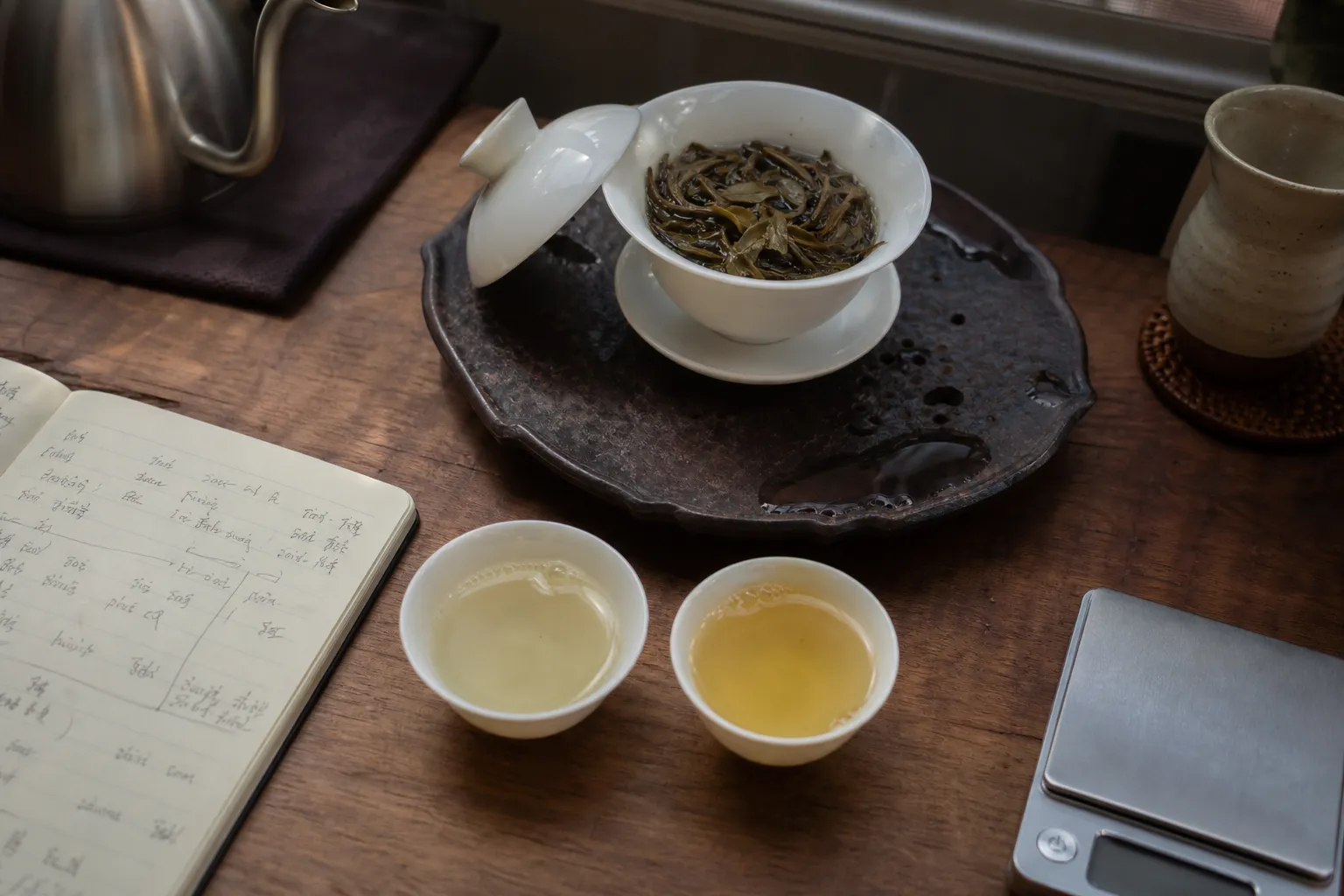
A gaiwan is useful because it keeps the leaf visible and lets you adjust quickly. You can smell the warm lid, watch the leaves open, shorten or lengthen each pour, and notice how the liquor changes across several infusions. That makes it a good learning vessel for beginner gongfu white tea, especially when comparing Silver Needle, White Peony, Gongmei, or Shoumei side by side.
The mistake is treating gaiwan white tea use as proof. If a tea performs well, that does not automatically mean it is high quality, well stored, correctly aged, or accurately described. If it performs poorly, that does not automatically mean the material is bad. A small vessel magnifies your choices: too little leaf, cooler water, a rushed first pour, a cold cup, or a pour that lingers can all change the result.
This is where many white tea gaiwan myths begin. Beginners may assume that a skilled-looking method will make every good tea obvious. In practice, gongfu brewing works better as a set of controlled questions. What happens if the leaf ratio rises? What changes when the first steep is slightly longer? Does the aroma hold after the first few cups, or does it fade quickly? Does the texture build, or does it stay sharp and flat?
A better reading is conditional. A gaiwan can help you notice whether a tea has range, but it cannot remove uncertainty about harvest, storage, age, or seller description. If the first session feels confusing, repeat it with one changed variable rather than changing everything at once.
Short Steeps Are A Tool, Not A Status Signal
Short steep white tea misunderstandings often come from watching gongfu brewing as performance. Fast pours can look precise, and they can be useful when the leaf amount is high or the tea extracts quickly. But a short steep is not automatically better. It is only one way to manage concentration.
White tea styles do not behave identically. Bud-heavy Silver Needle may open slowly and show more through fragrance and texture than immediate color. White Peony often gives more visible leaf-and-bud variation. Gongmei and Shoumei can bring broader leaf material and may show deeper body, especially when the tea has been stored for some time. These are brewing cues, not promises that every sample in a category will act the same way.
A very short first infusion can taste pale because the leaves have not opened enough, because the water cooled, because the leaf amount was low, or because the drinker expected the weight of a darker tea. Thin white tea taste needs context. It may be a brewing result, a leaf-style result, a water result, or simply the first stage of a session before the leaves give more.
There is also the opposite mistake. If a beginner pushes every infusion longer to chase body, the cup may become rough, dull, or oddly heavy. More time does not always mean more clarity. The useful question is not “Was the steep short?” but “Did this steep match the leaf amount, temperature, and stage of the session?”
A practical check
- If the liquor is pale but fragrant, try a slightly longer second steep before judging.
- If the cup is thin and quiet, raise leaf amount or water temperature in a later session.
- If the first infusion is strong but the next cups collapse, compare how the wet leaves smell and feel.
- If every cup feels hollow, taste the tea beside another sample before making a quality assumption.
Thin, Pale, Or Quiet Does Not Mean One Thing
A pale liquor can be beautiful, disappointing, or simply early. Beginners often overread color because it is the easiest clue to see. White tea aroma interpretation and liquor color need to be read together. A light cup with a clean floral, hay-like, fruity, or warm grain impression may be doing something different from a light cup with little fragrance and no aftertaste. The first may ask for patience; the second may ask for a brewing adjustment or a comparison sample.
The same caution applies to body. A thin cup can come from leaf ratio, water temperature, steep time, vessel heat, water character, leaf grade, storage condition, or expectation. Gongfu brewing can make thinness appear quickly because the cups are small and the timing is tight. That does not make the signal meaningless; it makes it incomplete.
Aroma is tempting to overread because it feels immediate. A warm lid may show a honeyed, dried-flower, grassy, woody, or fruit-skin direction. The wet leaves may smell different from the dry leaves. Later infusions may soften, deepen, or fade. These shifts can suggest how the tea is opening, but they should not be used alone to decide age, origin, or value.
White tea leaf appearance has the same limit. Buds, broken leaves, color variation, stems, compression marks, and surface fuzz can all attract attention. It is worth noticing whether the material looks unusually dusty, whether a cake seems very tight or loose, whether the wet leaves open evenly, and whether the color seems consistent with the seller’s description. Still, appearance alone does not settle quality assumptions.
Separate Observation From Conclusion
Age And Storage Language Need Several Clues
White tea age language can be useful, but it is one of the easiest areas to overread. A listing may mention years, old material, stored tea, aged cake, or mellow taste. Those words can guide what to look for, but they should be checked beside appearance, aroma, wrapper or packaging context, seller explanation, and how the liquor behaves across several infusions.
Aged white tea is often discussed through warmth, deeper color, softer edges, dried fruit, wood, herb-like notes, or a rounder body. Without stronger support for a specific tea, those descriptions should remain tasting possibilities, not proof. Storage can change aroma and texture, but not every dark, sweet, or woody cup should be treated as reliable age evidence.
White tea storage context matters because aroma can carry both pleasant and concerning signals. A tea may smell clean, warm, dry, and settled. It may also seem flat, musty, sour, unexpectedly smoky, or simply unclear. A beginner does not need to panic over one unfamiliar note, but should avoid turning an attractive storage story into certainty.
This is especially important with white tea seller claims. Words like old, rare, traditional, high mountain, handmade, or limited can sound convincing, but they are still seller language unless supported by clear context. That does not mean every seller is wrong. It means the buyer’s task is to compare the claim with observable details: dry leaf condition, compression, aroma after warming, liquor clarity, wet leaf feel, packaging information, and how consistent the description is.
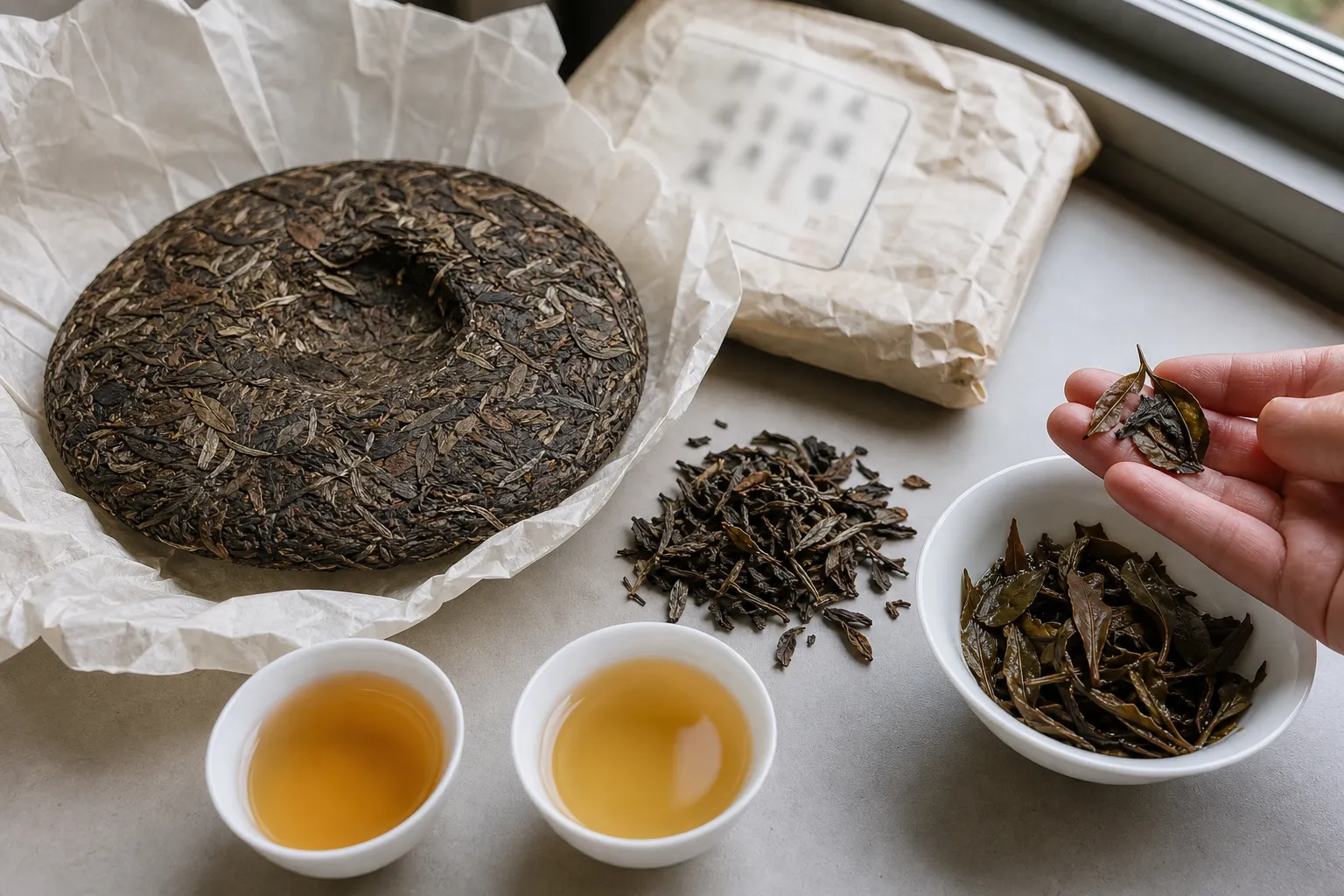
For a beginner, the safer buying move is not to “decode” age from one cup. Buy smaller amounts when possible, compare two or three teas in the same vessel, and notice which claims remain believable after brewing. Age and storage are not only words on a page; they show up, if at all, through repeated cup-level clues.
A Better Beginner Reading Method
The practical way to avoid gongfu white tea mistakes is to slow down the conclusion, not necessarily the brewing. Keep the session simple enough that the clues stay readable. If the tea tastes thin, do not immediately blame the leaves. If the aroma is beautiful, do not immediately trust every description. If the gaiwan makes the tea seem elegant, do not assume the label has been proven.
First, Name The Control
What was the leaf amount, water temperature, steep length, and vessel? If you do not know, the session is still useful, but it is not precise enough for a strong conclusion.
Second, Name The Cup Evidence
Was the liquor pale, bright, dull, thick, quiet, fragrant, sharp, sweet, drying, or fading? Keep the words close to what you actually noticed.
Third, Name The Limit
What else could explain the same result? A pale infusion may be a short steep. A quiet aroma may come from storage, leaf style, or water. A strong first cup may reflect leaf amount rather than quality. A graceful label may be helpful, incomplete, or overstated.
This method keeps brewing expectations small and testable. You are not trying to judge all white tea culture from one gaiwan. You are learning how one sample responds under one set of conditions.
A compact checklist before judging
- Did I use enough leaf for a small vessel?
- Did the water cool before it reached the gaiwan?
- Did I compare more than one infusion?
- Did aroma, liquor, and wet leaves point the same way?
- Did the seller claim match observable details, or only attractive wording?
- Would a second session with one changed variable test the same concern?
If the answer is unclear, that is not failure. It is often the honest result of a small gongfu session.
Small FAQ
Is a thin first steep a sign of bad white tea?
Not by itself. A thin first steep may come from low leaf amount, short timing, cooler water, a cold vessel, or a leaf style that opens slowly. Judge it after adjusting one variable and tasting a few infusions.
Does a gaiwan reveal whether white tea is accurately described?
A gaiwan can reveal brewing behavior, aroma changes, and wet leaf details, but it should not be treated as proof of origin, age, or seller accuracy. Use it alongside seller context, packaging information, appearance, storage notes, and comparison with other samples.
Should beginners trust aged white tea descriptions?
Trust them cautiously. Age descriptions can be useful starting points, but they should be checked against aroma, liquor behavior, leaf appearance, storage context, and how specific the seller’s explanation is. One pleasant cup does not settle the age question.
The best beginner habit is to let the next session test the last assumption. Keep the gaiwan, water, and cup setup steady; change one control, then see whether the same signal appears again.