
Brewing method
Gongfu Brewing White Tea
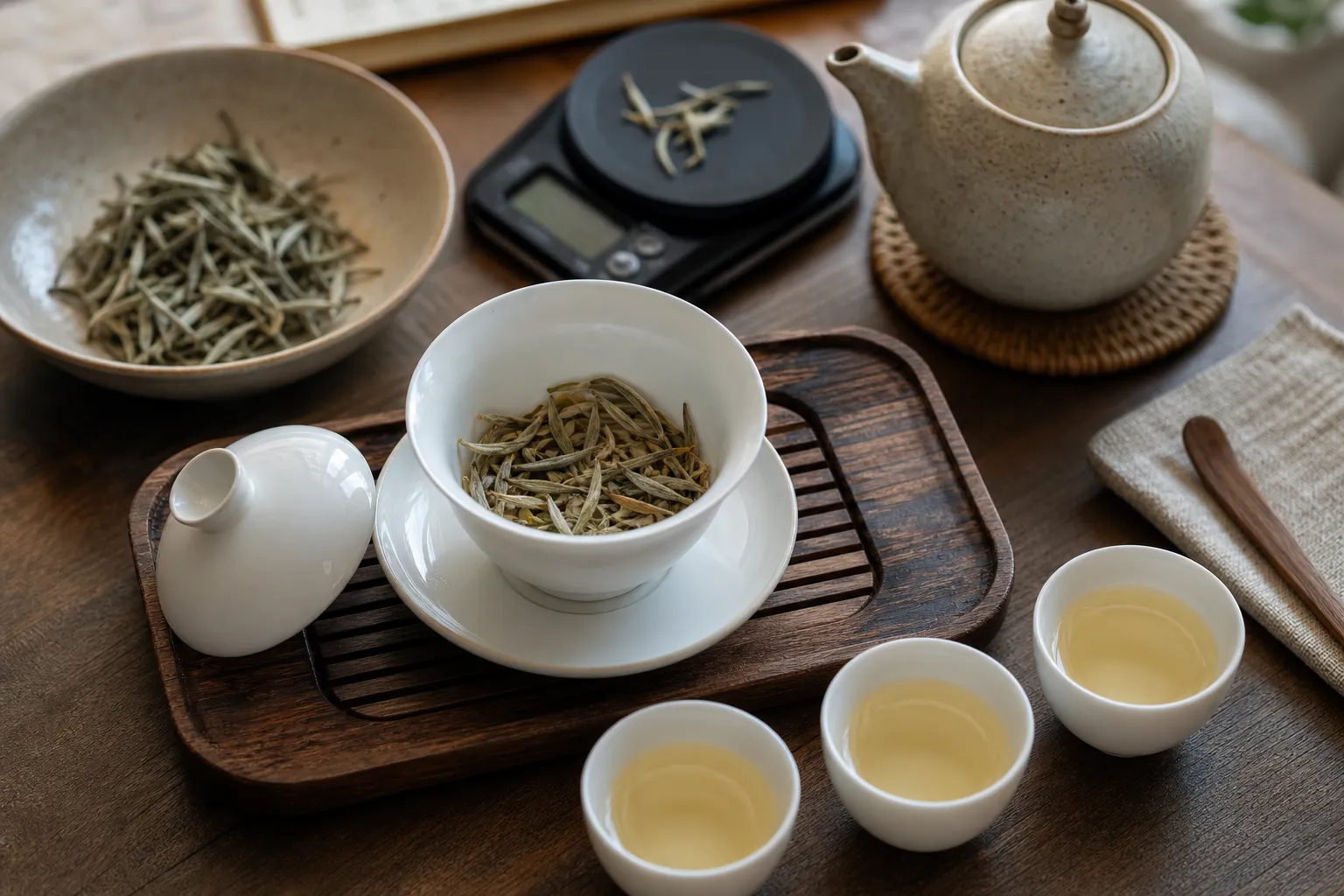
A gaiwan filled with pale buds or broad leaf-and-bud pieces can make gongfu white tea look almost too simple: add leaf, pour water, empty quickly. The real learning begins when the first cup tastes faint, the second cup turns sharper than expected, or a recipe seems to promise one exact ratio for every tea.
Gongfu brewing white tea is better understood as a small-vessel method built around adjustment. The vessel is small, the infusions are short, and each pour gives you feedback about leaf amount, water temperature, leaf shape, age, compression, storage condition, and personal preference. Because this page has no visible citable brewing logs or technical references available, the guidance stays practical and cautious rather than presenting a fixed standard.
upward
Start with the broader guide
Use the broader guide first if you need the full scope before this page.
What Is Gongfu Brewing for White Tea?
Gongfu brewing for white tea usually means using a small gaiwan or teapot, a higher leaf concentration than a large mug would use, and a sequence of short infusions. Instead of asking one long steep to deliver the whole flavor at once, the method lets the tea open in stages. A first pour may show light aroma and texture; later pours can bring more body, sweetness, dryness, or woody depth, depending on the leaves and how they have been stored.
The useful distinction is not “gongfu is advanced” while mug brewing is simple. The difference is control. A small vessel changes quickly. If the cup is thin, the next infusion can be longer or slightly hotter. If the liquor becomes rough, the next pour can be shorter, cooler, or made with less leaf next time.
White tea gaiwan brewing works best when the drinker watches the cup rather than obeying a number without question. Silver Needle buds, White Peony leaf-and-bud sets, Gongmei, Shoumei, loose tea, and pressed cake pieces can all behave differently in short steeps. Treat gongfu white tea as a responsive method: set a starting point, taste, then adjust.
Gongfu White Tea Ratio: How Much Leaf to Use in a Gaiwan
The phrase gongfu white tea ratio often sends beginners looking for an exact leaf-to-water formula. A ratio can be useful, but it should not be treated as a promise that the cup will taste a certain way. Leaf shape, vessel size, compression, water temperature, and pour speed all change the result.
For a small gaiwan, many home brewers begin with enough dry leaf to cover the base and rise into the vessel without packing it tight. Bud-heavy teas may look bulky but weigh less than they appear. Larger Shoumei-style leaves can fill the gaiwan quickly while still leaving enough space for water to move. Pressed cake pieces may look compact at first, then expand across several infusions.
A better way to think about ratio is by outcome:
Thin, watery, or barely aromatic
Add a little more leaf next session, extend the next steep, or use slightly warmer water.
Sharp, drying, or crowded
Use less leaf next time, pour faster, or lower the water temperature.
Pleasant aroma but weak body
Keep the leaf amount, then lengthen the middle infusions.
Strong early cups but fast collapse
Use a smaller increase in leaf and avoid pushing the first pours too hard.
This is why “how much leaf” and “how long to steep” belong together. More leaf usually asks for faster handling. Less leaf usually needs more time. The better starting question is not “What is the correct ratio?” but “Can I adjust the next cup without losing track of what changed?”
How to Brew White Tea in a Gaiwan for Short Steeps
To brew white tea in gaiwan style, start with a vessel you can pour cleanly. Add the dry tea, notice how much space it occupies, then warm the vessel if that is part of your usual routine. Pour water over the leaf, cover, and decant into a fairness cup or directly into small cups.
The central skill is not ceremony. It is emptying the vessel before the liquor becomes stronger than intended.
Short steeps white tea brewing asks for attention to three moments:
- The dry leaf: bud-heavy tea, broad leaves, broken fragments, and cake chunks all take up water differently.
- The first wet aroma: the scent after water touches the leaf can suggest whether the tea is opening slowly or releasing quickly.
- The pour: a slow or hesitant pour continues extraction even if the counted steep time looks short.
For early infusions, think in quick intervals rather than long waits. If the tea opens slowly, add time in small steps. If the cup becomes too assertive, shorten the next pour. White tea short infusions make the learning process visible because each cup shows one small change instead of hiding everything inside a long steep.
The gaiwan lid also affects clarity. Leaving a wide gap may let leaves escape. Holding it too tight can trap liquid and make the pour awkward. A modest opening, steady wrist angle, and full decant help keep each infusion distinct. Clean pouring is part of the flavor decision because leftover liquid keeps brewing between cups.
Should You Rinse White Tea Before Gongfu Brewing?
The question of whether to rinse white tea gongfu style has no single answer. Some drinkers use a very brief first pour to wake compressed tea, warm the cups, or loosen a tight cake piece. Others drink the first infusion, especially with loose leaf or bud-heavy tea where the earliest aroma may be part of the appeal.
A practical decision frame works better than a rule:
Loose Silver Needle or White Peony
You may skip the rinse and taste the first light infusion.
Pressed Gongmei or Shoumei cake
A quick rinse may help the piece begin opening.
Very dusty broken material
A short discard pour may make the session feel cleaner.
Fragile aroma in a fresh tea
Drinking the first infusion may preserve more of the early scent.
If you rinse, keep it brief and purposeful. A long rinse can remove more than surface heat or loose particles; it may also take away part of the first flavor layer. If you skip it and the first cup tastes closed or faint, the session has not failed. The next infusion may carry more body as the leaves absorb water.
Why Gongfu White Tea Can Taste Too Weak at First
Weak gongfu white tea is one of the most common beginner frustrations. The first suspicion is often that the tea itself is poor, but the cup may simply be under-extracted for the chosen setup. A large gaiwan with a small amount of leaf, cautious water, and very fast decanting can produce a pale liquor even when the dry tea smells promising.
Several variables can create the same thin result:
- Too little leaf for the vessel volume.
- Water that is cooler than the tea needs in that session.
- A first infusion that is too brief for dense buds or pressed pieces.
- Leaves floating above the water rather than fully wetting.
- A cup expectation shaped by stronger tea categories.
The fix should be small. Lengthen the next infusion before changing everything. If the liquor remains faint, increase water temperature slightly or use more leaf in the next session. If aroma is present but taste is light, you may be close; push time before assuming the tea needs a heavier hand.
There is also a palate issue. Gongfu brewing does not always make white tea loud. Some cups are built around fragrance, soft texture, hay-like warmth, melon-like sweetness, or a light mineral edge. Those notes can be easy to miss if the drinker expects the density of roasted oolong or dark tea. Let the first two infusions teach you the scale of the session.
How Short Steeps Change White Tea Across Multiple Infusions
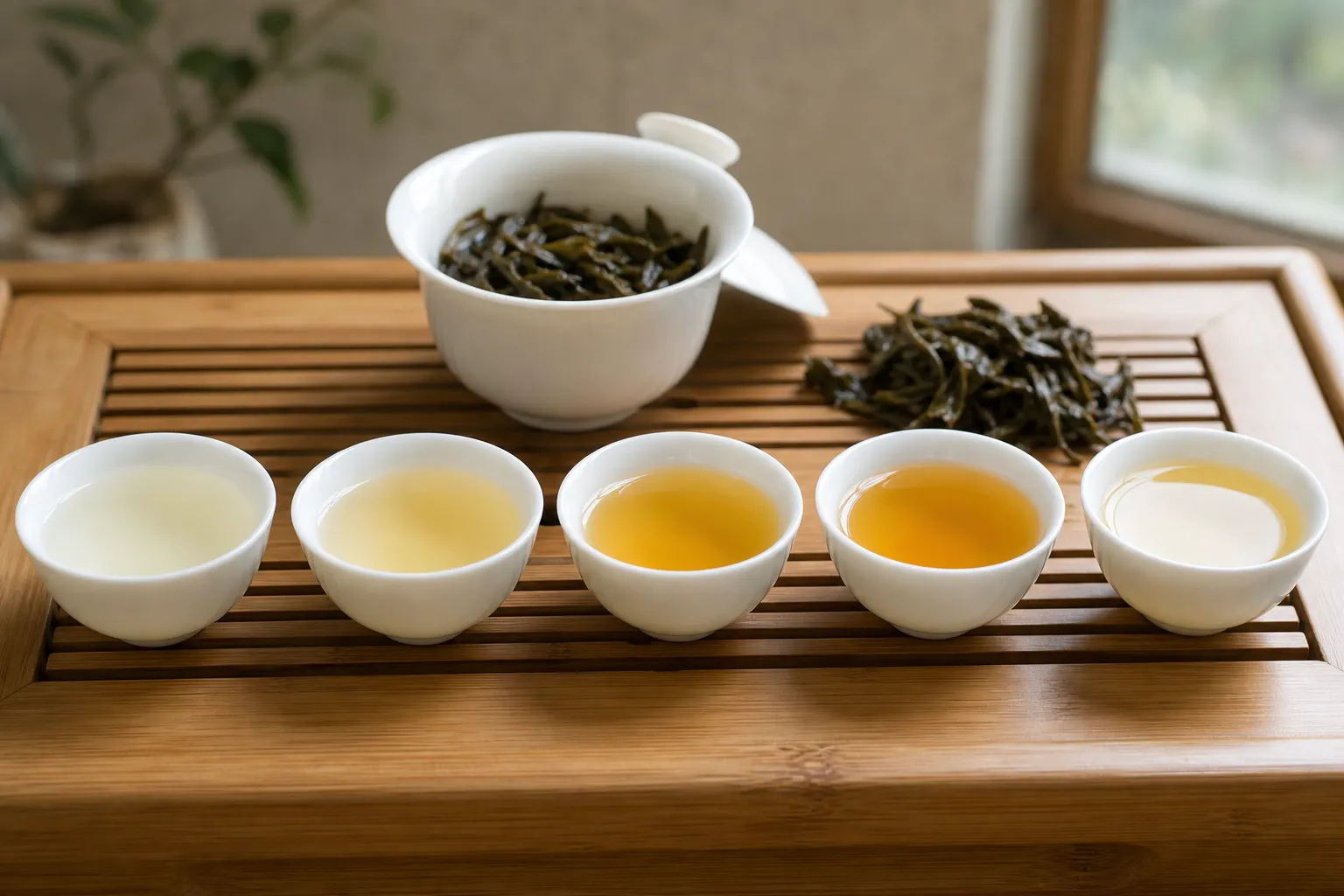
Short infusions make change easier to notice. A tea that seems quiet in the first pour may broaden after the leaves soften. A cake piece may give little at the beginning, then release more color and body once the compressed layers separate. A bud-heavy tea may show aroma early and then taper into a softer texture.
The sequence often matters more than any single cup:
First infusions
Wet leaf aroma, light color, early sweetness or dryness.
Middle infusions
Body, balance, thickness, and whether the cup feels complete.
Later infusions
Fading aroma, softer taste, or the need for longer steeps.
Short steeps also prevent one common mistake: over-reading a single result. If the second cup is sharp, you can recover by pouring faster. If the third cup is thin, you can extend the fourth. A large mug steep gives fewer chances to correct course. Gongfu brewing gives more feedback, but only if you change one variable at a time.
Notes help here, but they do not need to be formal. A simple line such as “more leaf next time,” “middle cups best,” or “cake needed longer opening” is enough. The goal is not to build a rigid recipe. It is to remember which control changed the next cup.
Gongfu Brewing Fresh vs Aged White Tea
Fresh vs aged white tea is a useful comparison, but it can easily become overstated. Without strong sourcing and storage records, age should not be treated as a promise of a specific flavor or value. For brewing, the practical question is narrower: does the tea in front of you seem to open quickly, slowly, softly, or with more depth after a few infusions?
A fresher white tea may emphasize light aromatics, green plant notes, floral edges, or a pale liquor, depending on the leaf material and processing. An older or stored tea may show deeper color, mellow sweetness, dried fruit, wood, or herbal impressions in some sessions. These are possible sensory directions, not proof of age or storage history.
Gongfu brewing helps because it separates the tea into stages. If an older Shoumei cake smells clean and opens gradually, slightly longer early steeps may make sense. If a fresh White Peony becomes drying when pushed, faster pours can protect balance. If a storage smell dominates, brewing cannot confirm provenance; it can only help you decide whether the cup is enjoyable and whether the seller’s story needs more scrutiny.
Use age as one variable, not the whole judgment. Appearance, aroma, compression, wrapper information, storage smell, seller context, and cup behavior all matter, and none of them alone should carry more certainty than it can support.
Gongfu Brewing Loose Leaf vs White Tea Cake
Loose leaf vs white tea cake changes the first minutes of a session. Loose leaves usually wet more easily because water reaches more surface area right away. Pressed tea may need time for the chunk to loosen, especially if the piece is dense or uneven.
For loose leaf, the main risk is using a visually full gaiwan without realizing how much material is actually present. Large leaves can look dramatic but brew gently. Broken pieces can release faster and become stronger sooner. Watch the pour color and the taste rather than judging only by volume.
For cake tea, the first task is physical opening. A tightly compressed piece may give a light first infusion, then strengthen as it separates. You can use a brief rinse, a slightly longer first steep, or a careful pause after wetting to help the piece open. Avoid crushing the tea into dust just to make it brew faster; smaller fragments may release quickly and make the session harder to control.
The branch-level decision is simple: loose tea often asks for attention to early strength, while cake tea often asks for patience in the opening stage. Once both are fully wet, the same controls return: leaf amount, water temperature, steep length, and clean decanting.
What Gaiwan Size Works for Gongfu White Tea?
Gaiwan size for white tea affects both flavor and ease. A very small gaiwan can make short infusions manageable, but it may feel cramped with large Shoumei leaves. A larger vessel gives leaves room, yet it can dilute the tea if the leaf amount is not increased. Beginners often do better with a size they can pour confidently rather than the smallest vessel they can find.
Choose by handling first:
- Can you hold it when hot without panic?
- Can you pour fully without leaving much liquid behind?
- Do the leaves have enough room to open?
- Can you repeat the same motion for several infusions?
A gaiwan that is too large for your usual leaf amount will often create weak early cups. A vessel that is too small for broad leaves may clog, spill, or make pouring slow. The right size is the one that lets you control extraction without fighting the tool.
Porcelain vs glass gaiwan decisions are also practical. Porcelain is common because it is neutral in feel, easy to see against pale liquor, and comfortable for many brewing setups. Glass lets you watch leaves unfurl and observe color directly, but it can feel hotter in the hand and may change how confidently you pour. Neither material improves the tea by itself. The better choice is the one that helps you brew steadily.
How to Pour a Gaiwan for Clean Gongfu White Tea Infusions
Pouring clean gaiwan infusions is worth learning before chasing exact recipes. The counted time matters less if the pour takes too long or leaves a pool of liquor behind. White tea can continue extracting in that leftover liquid, which may make the next cup stronger or less balanced than expected.
A clean pour has four parts. Set the lid with a narrow opening. Hold the gaiwan firmly but not tightly. Tilt in one confident movement. Empty as fully as you can into a fairness cup or serving cup. If leaves block the gap, adjust the lid slightly rather than shaking the vessel aggressively.
Large leaves may catch near the rim. Bud-heavy teas may float at first. Cake fragments may settle unevenly. These are normal handling differences, not signs that the method is wrong. Slow down the setup, not the pour: arrange the lid, check the angle, then decant smoothly.
If repeated infusions taste heavier than your timing suggests, look at what remains in the gaiwan after pouring. A tablespoon of trapped liquor can change the next steep. Before changing the tea or water, improve the emptying motion.
Common Gongfu White Tea Misconceptions Beginners Overread
Beginner gongfu white tea misconceptions often come from treating flexible brewing language as hard proof. A recipe may name one ratio, one temperature, or one rinse habit, but those numbers cannot account for every leaf style, storage condition, vessel shape, and drinker preference. They are starting points at most.
The first misconception is that gongfu brewing must be intense. It can be concentrated, but it can also be quiet and aromatic. A pale cup is not automatically a failed cup. Taste for texture, finish, and aroma before deciding it needs more force.
The second is that aged white tea always needs aggressive brewing. Some stored teas respond well to heat and longer steeps; others become heavy or drying if pushed too quickly. Let the first two or three infusions show how the material opens.
The third is that a rinse is required for every session. A rinse can be useful, especially with compressed tea, but it is still a choice. With loose leaf, skipping it may make sense when the first aroma is part of what you want to taste.
The fourth is that a gaiwan solves everything. It gives feedback, but it also exposes inconsistency. If your pour is slow, your leaf amount uncertain, or your vessel too large, the cup will show it.
Evidence boundary
Evidence Limits for This Page
The current research material behind this page does not provide visible reference links, professional brewing logs, institutional tea sources, or identifiable firsthand records for exact gongfu white tea ratios, steep times, water temperatures, cultural history, processing explanations, leaf-style behavior, or sensory outcomes. For that reason, this article frames its suggestions as careful brewing orientation rather than externally supported standards.
The strongest next step is narrow and cup-level: choose a manageable gaiwan, change one variable at a time, and let the next infusion tell you whether to adjust leaf amount, water temperature, steep length, or pouring technique.